Refresher Course on Sarcoma
Refresher Course on Sarcoma
COURSE LEADERSHIP
Chair - Sylvie Bonvalot, FR
Host Chair - Bruno Vincenzi, IT
College Representative - Silvia Brotea-Mosoiu, RO
COURSE OVERVIEW
This course offers an updated and comprehensive overview of the diagnostic and therapeutic management of sarcomas, with a primary focus on soft tissue sarcomas and dedicated sessions on bone sarcomas, desmoid tumours, paediatric sarcomas, GISTs, and uterine sarcomas. Given the rarity and heterogeneity of these diseases, the programme is designed to foster close multidisciplinary collaboration among medical, surgical, and radiation oncologists, radiologists, pathologists, and other specialists involved in sarcoma care.
Key topics include the WHO classification, molecular biology, advanced imaging and biopsy techniques, quality standards in sarcoma surgery, as well as systemic treatment approaches and the role, sequencing, and fractionation of radiotherapy. Evidence-based strategies in both localized and metastatic settings will be addressed, with a focus on integrating multimodal management and tailoring treatment according to histological subtype and disease characteristics.
The course strongly emphasizes interactive, case-based learning, with clinical cases prepared by faculty and discussed in a multidisciplinary setting. By integrating current guidelines, expert opinion, and real-world practice, the programme aims to support personalised treatment strategies and improve clinical decision-making across the full sarcoma spectrum.
LEARNING OBJECTIVES
At the end of the course, participants will be able to:
- Understand the principles of sarcoma classification, epidemiology, and genetic predispositions, and their clinical implications.
- Select and interpret appropriate diagnostic tools, including imaging, pathology, molecular testing, and biopsy techniques, in different sarcoma subtypes.
- Apply evidence-based criteria to plan optimal surgical, radiotherapy, and systemic treatment strategies in localized, and metastatic disease.
- Recognise subtype-specific validated treatments and areas of ongoing debate or uncertainty in sarcoma management.
- Improve multidisciplinary decision-making skills through discussion of real-life clinical cases.
LANGUAGE
REGISTRATION FEE
- Access to the full course and its educational resources
- Two nights’ accommodation at Mercure Roma West hotel (arrival: Friday 25th September – departure: Sunday 27th September 2026)
- Meals as outlined in the programme
ACCREDITATION
for a maximum of 10.5 European CME credits (ECMEC®s)..
ESO COLLEGE MEMBERSHIP
INSURANCE
CONTACTS
Interested in this event, but aiming to become a true academically recognized expert in sarcomas? Discover our Master in Sarcoma.
Arrivals and registration at hotel Mercure Roma West
End of the registration
Welcome
SOFT TISSUE SARCOMA TREATMENTS
On what criteria is the WHO classification based on?
Angelo Paolo Dei Tos (IT)Molecular biology — expectations and optimal test selection for specific clinical situations
Sarah Watson (FR)Soft Tissue Sarcoma Imaging — Pitfalls and the Percutaneous Biopsy Technique
Carlo Morosi (IT)Quality criteria for appropriate surgery of soft tissue sarcoma, personalized according to histology?
Sylvie Bonvalot (FR)Networking coffee break
Which patients benefit from radiotherapy, and how to determine the optimal Treatment Sequencing and fractionation?
Sarcoma in the Perioperative Setting - what is approved or is optional according to the local and metastatic risks?
Metastatic Sarcoma: lights and shadows - a focus on what is validated according to the subtype
EPIDEMIOLOGY OF SARCOMAS, GENETIC PREDISPOSITIONS AND IMPLICATIONS:
The surgeon point of view
Dario Callegaro (IT)The medical oncologist point of view
Armelle Dufresne (FR)Clinical Case (prepared by faculty)
Clinical case presentation by participants
Networking lunch
BONE SARCOMA
Anatomoradiological Correlation and Diagnostic Approach for Bone Tumors
Renato Covello (IT) Salvatore Gitto (IT)Medical Strategy for Localized and Metastatic Osteosarcomas
Piotr Rutkowski (PL)Metastatic Chondrosarcomas and systemic therapy
Piotr Rutkowski (PL)Tenosynovial Giant Cell Tumors (TGCTs): Tyrosine Kinase Inhibitors (TKIs) — Indications, Duration, and Treatment Sequencing
Piotr Rutkowski (PL)Networking coffee break
Does radiation have a role in chondrosarcoma?
Desmoids: Rationale for Active Initial Surveillance and Medical Treatment Options
Clinical case presentation by participants
End of the day and free night
PAEDIATRICS
Medical Strategy for Localized and Metastatic Ewing
Nathalie Gaspar (FR)Role of radiotherapy in Ewing sarcoma
Mateusz Spalek (PL)Medical Strategy for Localized and Metastatic rhadomyosarcoma
Salvatore Provenzano (IT)Clinical case presentation by participants
Networking coffee break
GISTs
Local GISTS and adjuvant treatment
Sebastian Bauer (DE)Medical options for metastatic GIST and Circulating tumour DNA (ctDNA) to monitor treatment
Sebastian Bauer (DE)UTERINE SARCOMAS
Uterine sarcomas: a spectrum of tumor varieties
Carine Ngo (FR)Clinical case presentation by participants
Closing remarks
End of the course
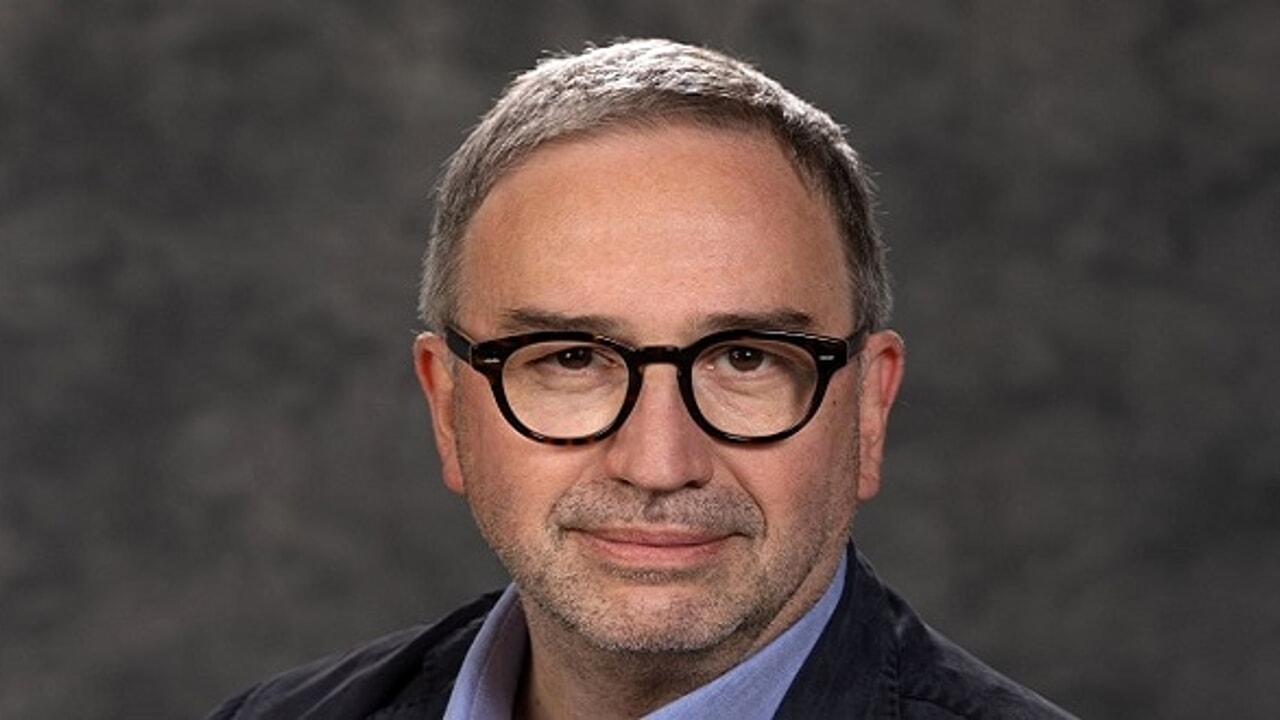
Angelo Paolo Dei Tos
University of Padua School of Medicine, Anatomia Patologica Dpt., Treviso, IT
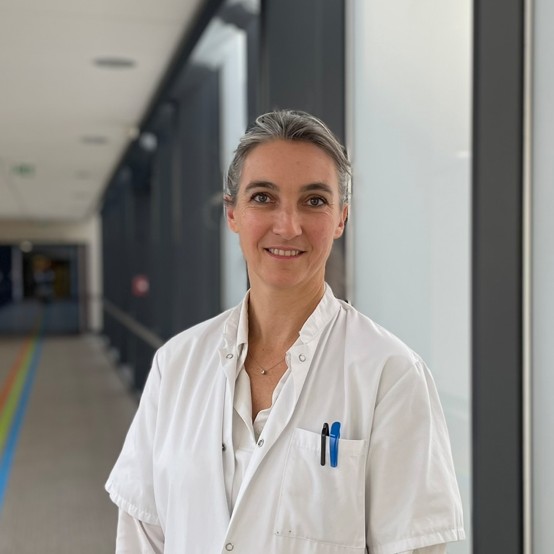
Armelle Dufresne
Centre Léon Bérard, Medical Oncology Departement, Lyon cedex 08, FR
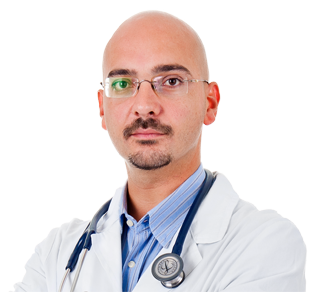
Bruno Vincenzi
University Campus Bio-Medico, Medical Oncology Dpt., Rome, IT
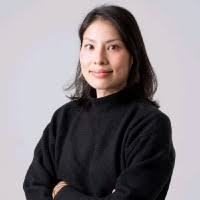
Carine Ngo
Gustave Roussy, Département de Biologie et Pathologie Médicales, Villejuif,, FR
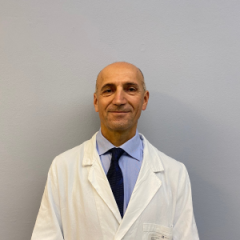
Carlo Morosi
Fondazione IRCCS Istituto Nazionale dei Tumori, Radiologia Diagnostica e Inteventistica, Milano, IT
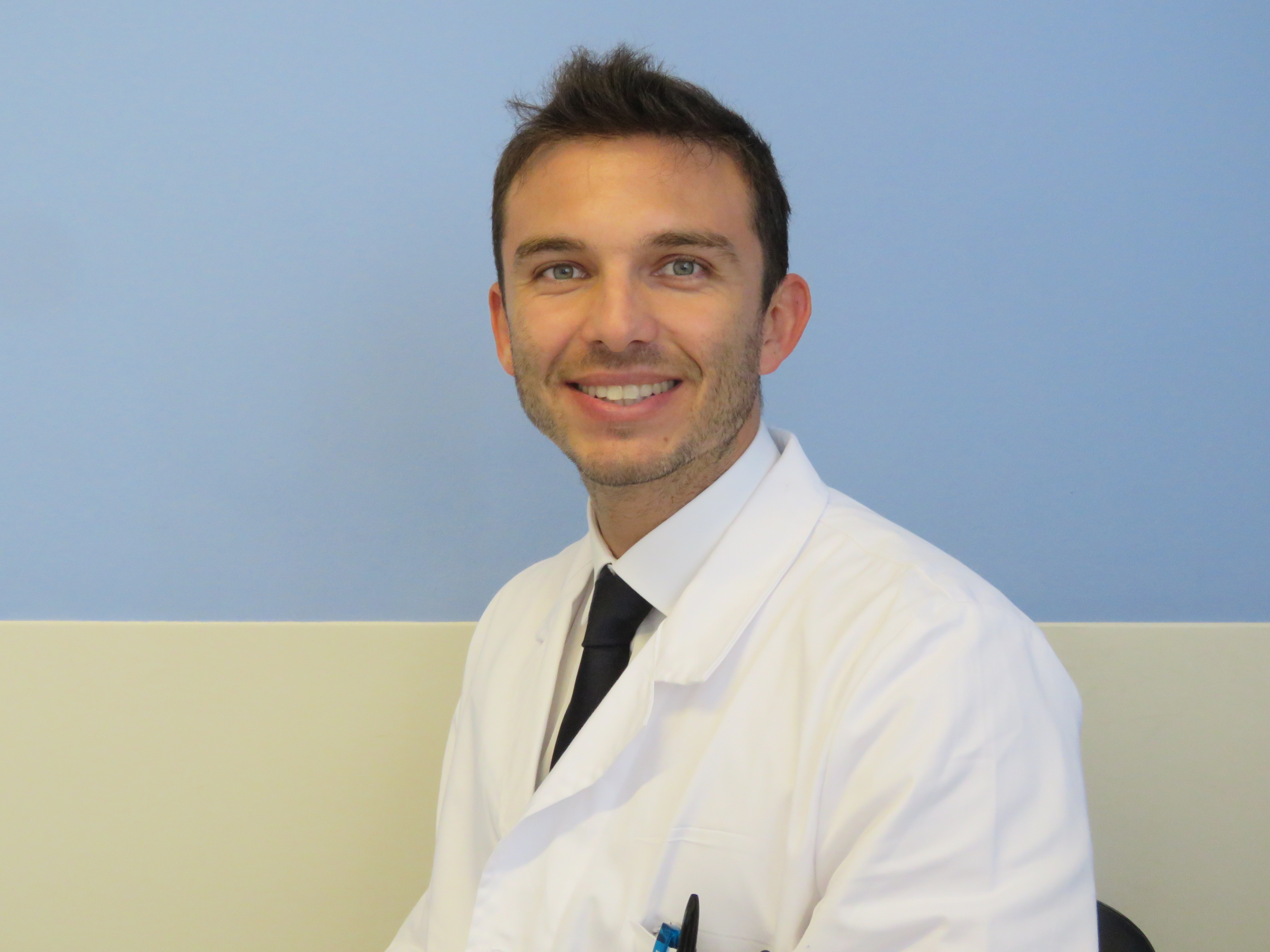
Dario Callegaro
Fondazione IRCCS Istituto Nazionale Tumori, Struttura Semplice Chirurgia dei Sarcomi, Milano, IT
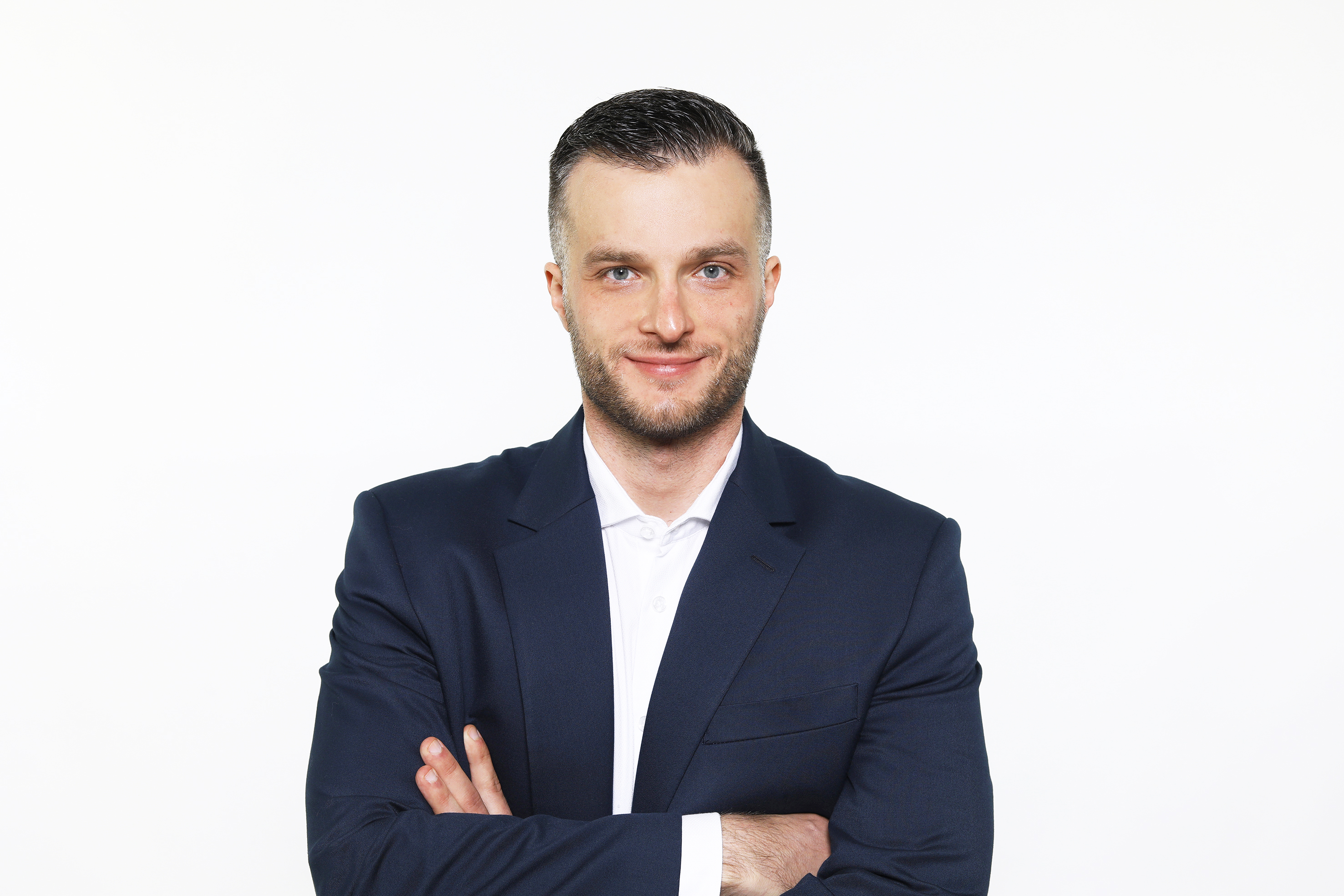
Mateusz Spalek
Maria Sklodowska-Curie Institute - Cancer Center, Soft Tissue/Bone Sarcoma and Melanoma Dpt., Warsaw, PL
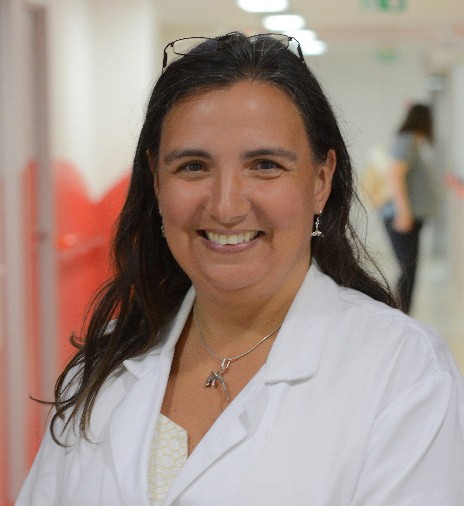
Nathalie Gaspar
Gustave-Roussy Institute, Oncology Dpt., Villejuif, FR

Piotr Rutkowski
Maria Sklodowska-Curie National Research Institute of Oncology, Dept. of Soft Tissue/Bone & Melanoma, Warszawa, PL

Renato Covello
Istituto Nazionale Tumori Regina Elena, Anatomical Pathology Dpt., Roma, IT
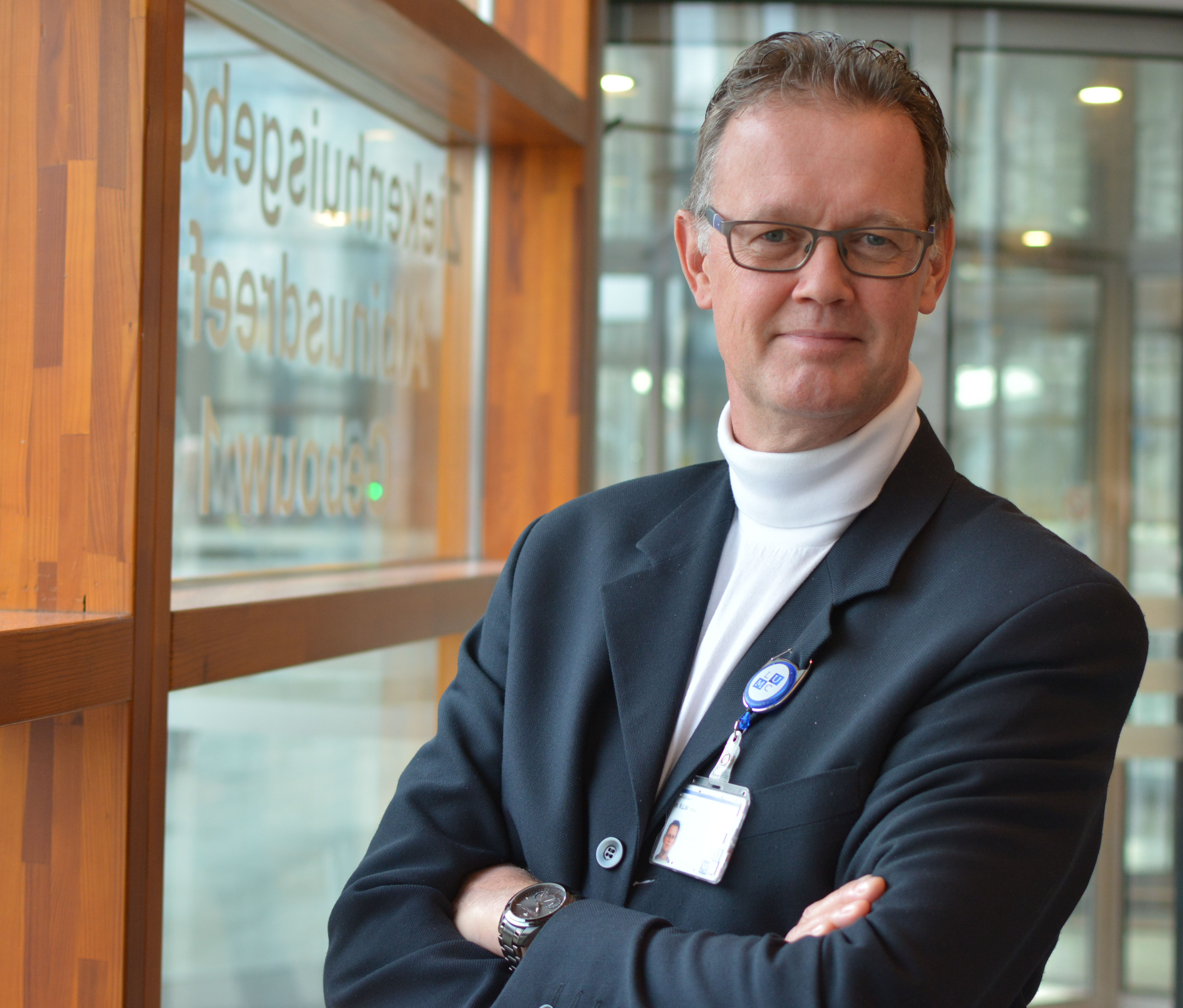
Rick Haas
The Netherlands Cancer Institute, Dept. of Radiotherapy, Amsterdam, NL
Salvatore Gitto
IRCCS Ospedale Galeazzi - Sant'Ambrogio, ., Milan, IT
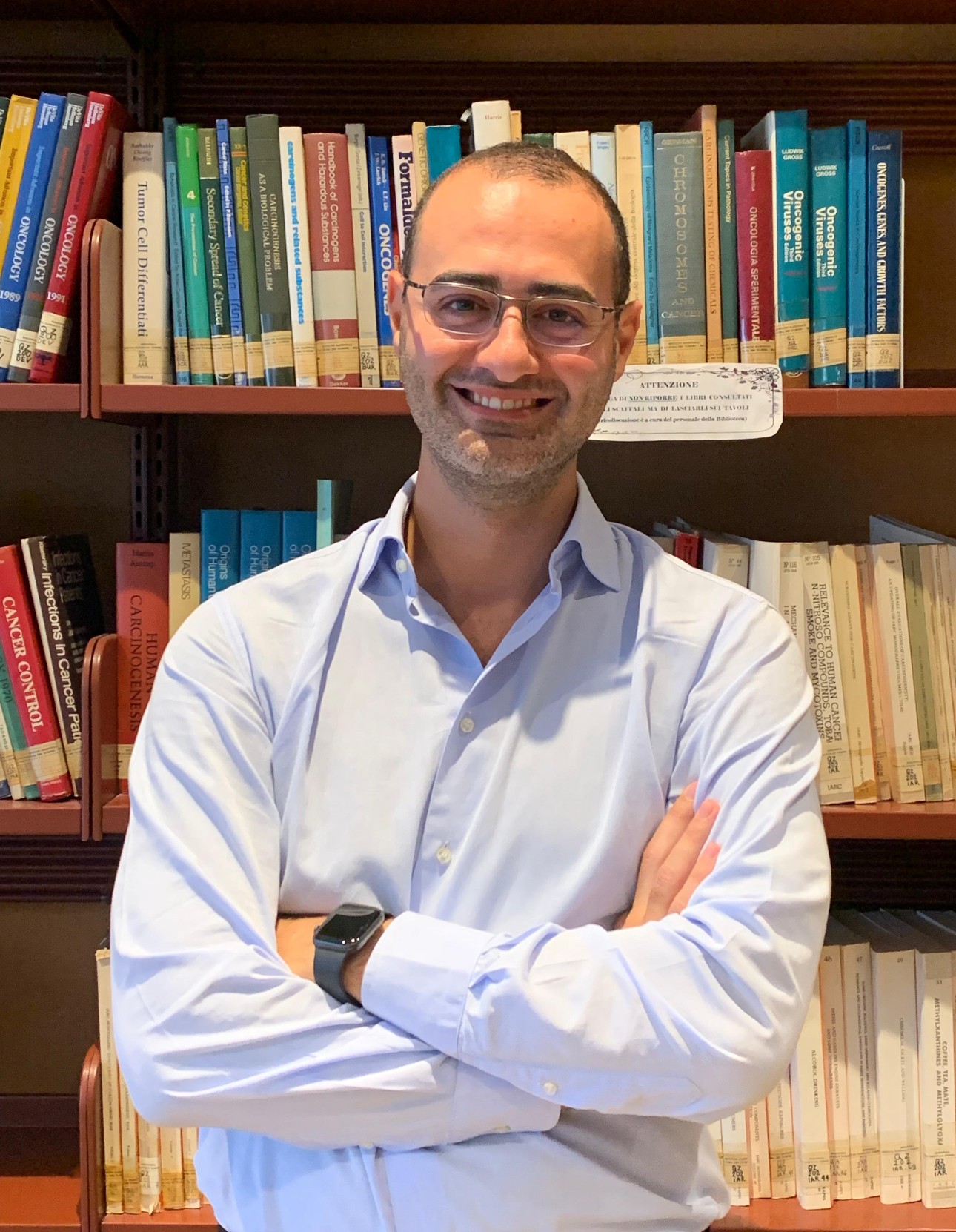
Salvatore Provenzano
Fondazione IRCCS Istituto Nazionale dei Tumori, Adult Mesenchymal Tumour & Rare Cancer Medical Oncology Unit, Milan, IT
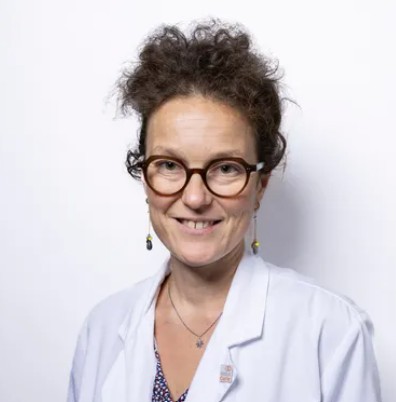
Sarah Watson
Institut Curie Paris, Researcher and head of the Drug Development and Innovation (D3i) department, Paris, FR
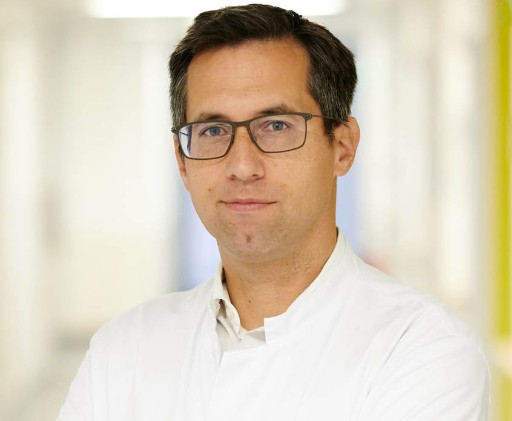
Sebastian Bauer
University Hospital Essen - West German Cancer Center (WTZ), Translational Sarcoma Research, Essen, DE
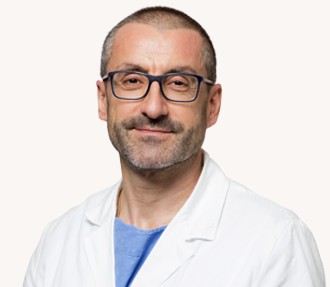
Sergio Valeri
Fondazione Policlinico Universitario Campus Bio-Medico, Chief Surgical Sarcoma Service – Department of Surgery, Rome, IT
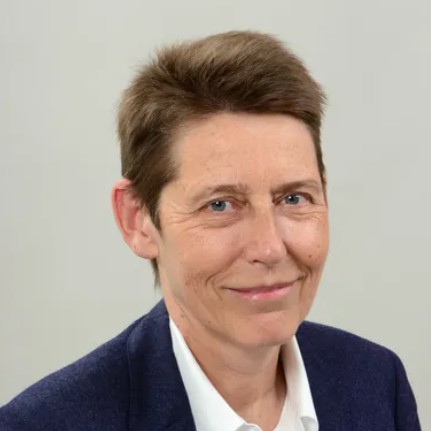
Sylvie Bonvalot
Institut Curie, Dept. of Surgery, Paris, FR
PARTICIPATION
- Candidates aged 30–45 years
- With 2–3 years of oncology experience
- Who have previously attended an ESO Masterclass
- Who are fluent in English
HOW TO APPLY
- Your work experience and training
- Your research experience and publications
- Your motivation and personal commitment to participating in this activity
- Recommendation letter: A letter from your head of department or mentor, written on official hospital letterhead and signed.
- Curriculum Vitae (CV).
- Clinical case: Please use this template.
SELECTION PROCESS
