Writing Methodology Course: how to produce high-quality research papers
On demand lectures available from November 2023
Writing Methodology Course: how to produce high-quality research papers
On demand lectures available from November 2023
Chair: Luca Bertolaccini, IT
Introduction
This course will delve into the essential skills and techniques required to conduct and communicate medical research effectively. Medical research plays a crucial role in advancing healthcare and improving patient outcomes. The ability to write a clear and concise research paper is fundamental for researchers, physicians, and healthcare professionals.
Course Overview
This course is designed to provide a comprehensive understanding of the methodology involved in medical research writing. We will explore various components of the research process including literature review, study design, data collection and analysis, the interpretation of results, and formulation of scientific manuscripts. You will gain the knowledge and skills necessary to produce high-quality research papers through a combination of lectures, practical exercises, and real-world examples.
Course Objectives
- Understand the fundamentals of medical research methodology: we will discuss the key principles and concepts related to medical research including study design, ethical considerations, and data collection techniques.
- Conduct an effective literature review: you will learn how to conduct a thorough literature review to identify knowledge gaps, critically appraise existing research, and build a strong foundation for your studies.
- Develop a research question and hypothesis: we will guide you through the process of how to formulate a research question and hypothesis that are specific, measurable, achievable, relevant, and time-bound (SMART).
- Design a research study: you will gain insights into different study designs, sampling methods, and data collection strategies, enabling you to choose the most appropriate approach for your research objectives.
- Analyze and interpret research data: we will explore various statistical methods which are commonly used in medical research and teach you how to accurately analyze and interpret your data.
- Write a scientific manuscript: you will learn about the structure and critical components of a scientific manuscript, including the abstract, introduction, methods, results, discussion, and conclusion sections. We will provide guidelines on how to organize your research findings, present data effectively, and ensure clarity and coherence in your writing.
- Ethical considerations in medical research: we will emphasize the importance of ethical conduct in research, including obtaining informed consent, protecting participant confidentiality, and adhering to ethical guidelines and regulations.
- Publication and dissemination of research: You will gain insights into publishing research papers in reputable medical journals and explore strategies for effectively disseminating your findings through conferences and other scientific platforms.
Course Delivery
This online course will be delivered through pre-recorded lectures available on demand.
Prerequisites
This course has no strict prerequisites. However, a basic understanding of methodological terminology and familiarity with scientific research concepts would be beneficial.
Conclusion
By the end of this course, you will have acquired the necessary skills and knowledge to embark on your medical research journey and effectively communicate your findings through high-quality research papers. We hope you find this course insightful and engaging, and we look forward to supporting you in your pursuit of excellence in medical research writing.
Registration
Registration to the course is free but mandatory. Registration will be confirmed by e-mail.
Accreditation
The ESO College
SPECIAL OPPORTUNITY
Result - Publication of Artificial intelligence in NSCLC management for revolutionizing diagnosis, prognosis, and treatment optimization: A systematic review in Critical Reviews in Oncology/Hematology
Before starting to write
Searching the literature
Gonzalo Varela (ES)EBM hierarchy
Giulio Metro (IT)Writing guidelines
Luca Bertolaccini (IT)Methodology of Retrospective Studies
How to create a database
Dania Nachira (IT)Tips for retrospective studies
Calvin Sze Hang NG (CN)Mastering the Art of Observational Studies: Effective Techniques and Tips
Marcelo Jiménez (ES)Methodology of Prospective Studies
Types of clinical studies
Oriana Ciani (IT)Phases of clinical trial
Cecilia Pompili (UK)Writing the protocol
Massimo Di Maio (IT)Statistical Survival
Descriptive and comparative statistics
Manuel Carnero (ES)Survival Analysis
Jessica Menis (IT)Sensitivity, specificity, ROC-analysis
Livio Fenga (IT)Writing Methodology
Writing the paper according to IMRaD
Elena Prisciandaro (BE)The right journal: when a manuscript is rejected
Georges Decker (LU)Ethics in research methodology
Sudish Murthy (US)
Calvin Sze Hang NG
The Chinese University of Hong Kong, Oncology Dept., Hong Kong SAR, CN
Cecilia Pompili
University of Leeds, Leeds Institute of Cancer and Pathology, Leeds, UK
Dania Nachira
, , ,
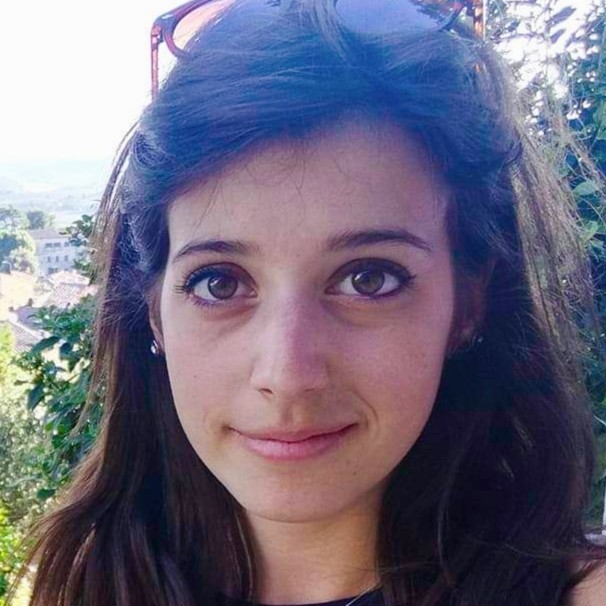
Elena Prisciandaro
University Hospitals Leuven, Thoracic Surgery Dept., Leuven, BE
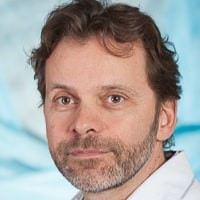
Georges Decker
Hôpitaux Robert Schuman, Thoracic and Upper GI Surgery, Luxembourg, LU
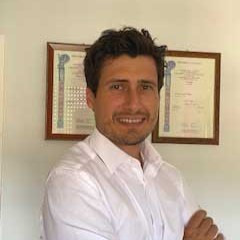
Giulio Metro
Santa Maria della Misericordia Hospital, Medical Oncology Dept., Perugia, IT
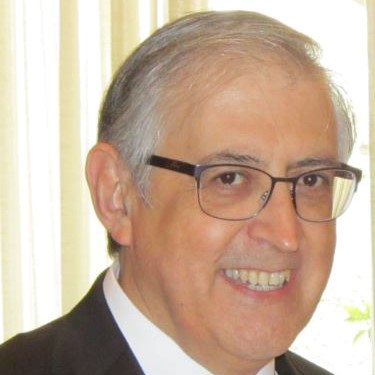
Gonzalo Varela
Salamanca University Hospital, Salamanca University Hospital, Salamanca, ES
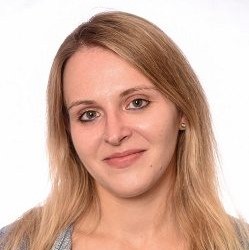
Jessica Menis
EORTC headquarters, Medical Department, Brussels, BE

Livio Fenga
ISTAT - Italian National Institute of Statistics, Department for data collection and development of methods and technologies for the production and dissemination of statistical information, Rome, IT
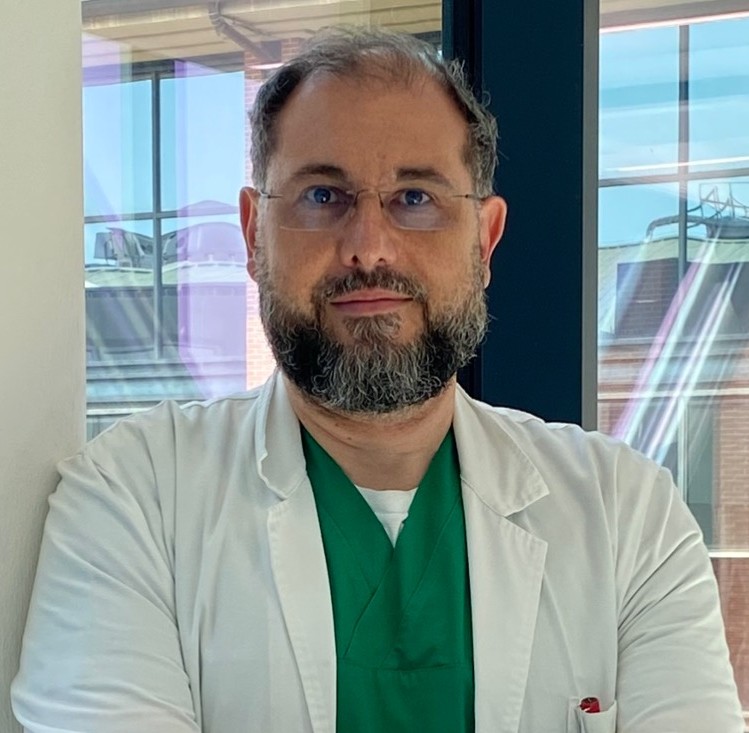
Luca Bertolaccini
IEO, Istituto Europeo di Oncologia IRCCS, Thoracic Surgery Dpt., Milano, IT
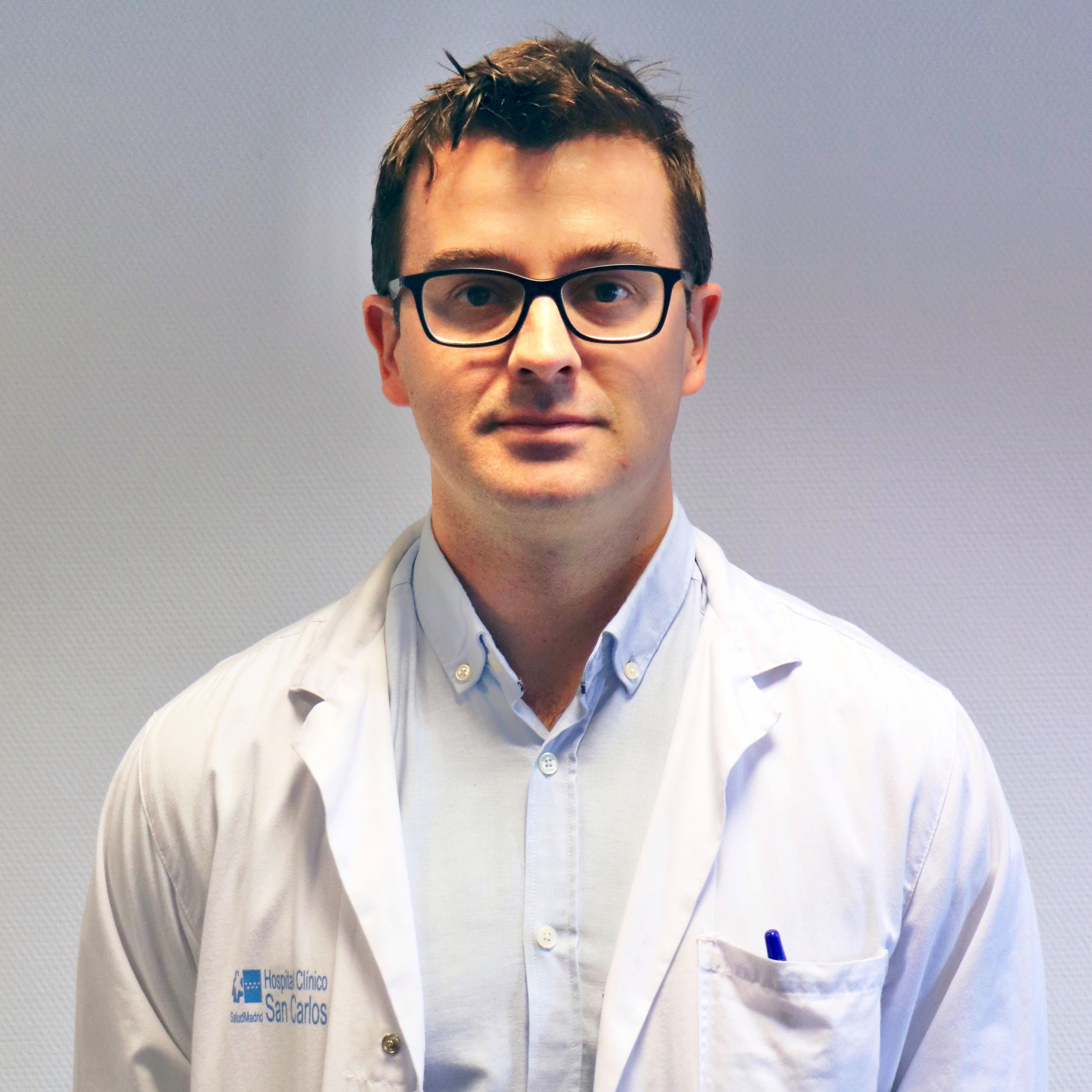
Manuel Carnero
Hospital Clinico San Carlos, Thoracic Surgery Dept., Madrid, ES

Marcelo Jiménez
Salamanca University Hospital, Radiation Oncology Dept., Salamanca, ES
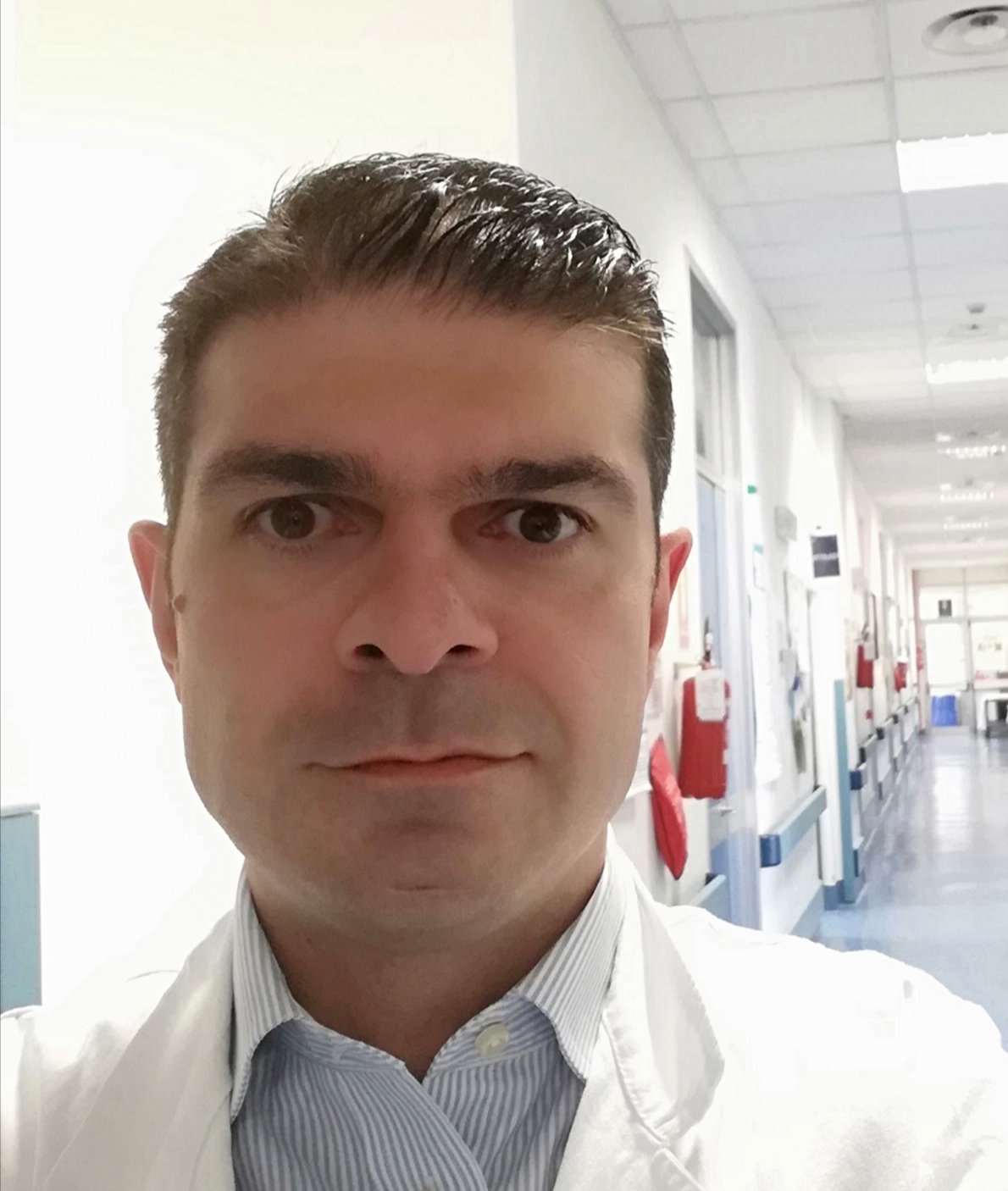
Massimo Di Maio
Università degli Studi di Torino, A.O. Ordine Mauriziano, Director, SCDU Oncology, Napoli, IT
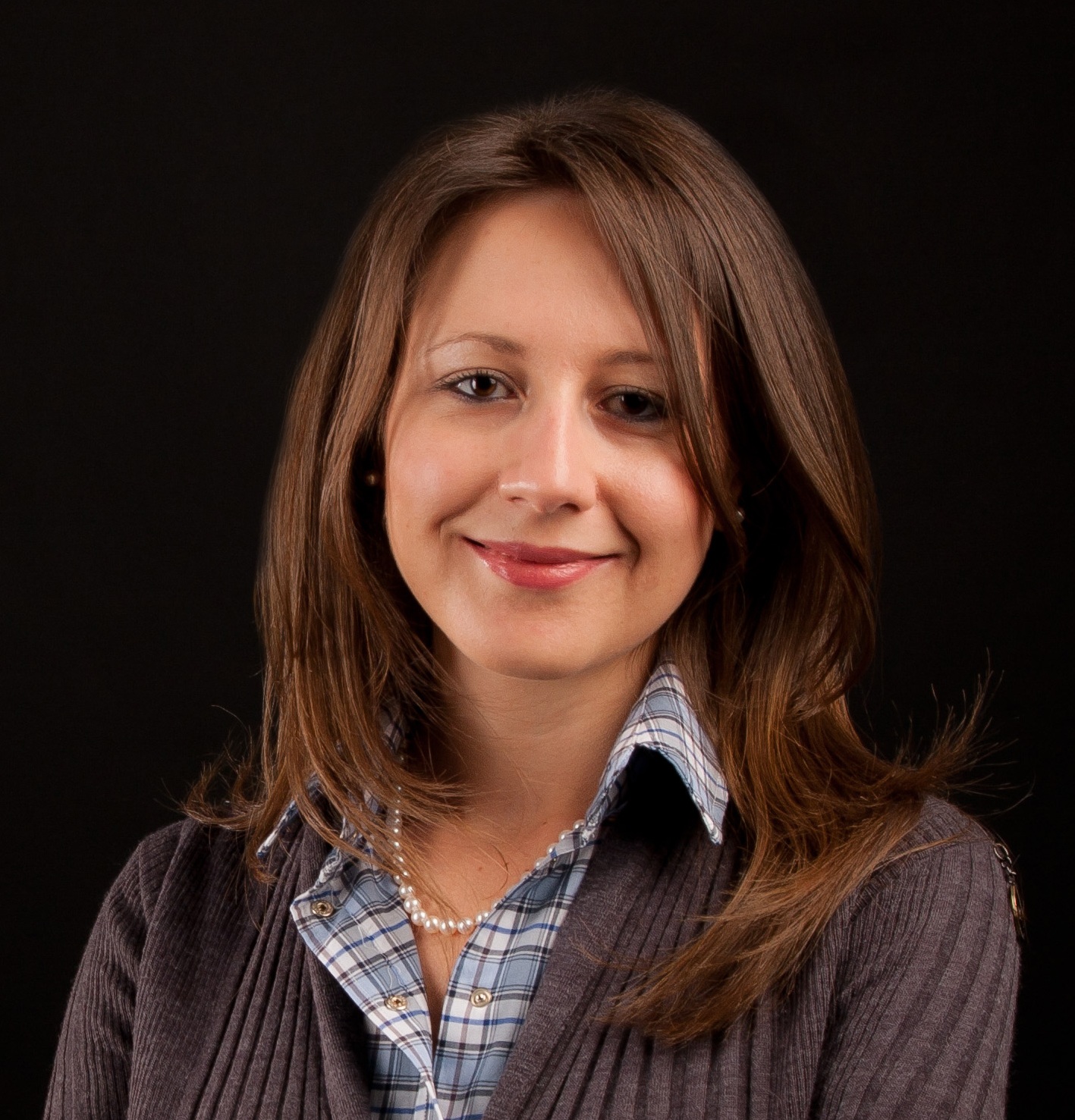
Oriana Ciani
Centre for Research on Health and Social Care Management (CERGAS), SDA Bocconi School of Management, Research Dept., Milan, IT
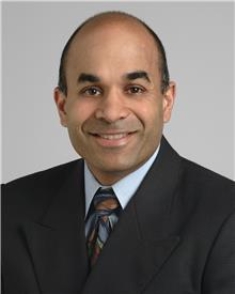
Sudish Murthy
Cleveland Clinic, Thoracic Surgery Dept., Cleveland, US
CREDITS