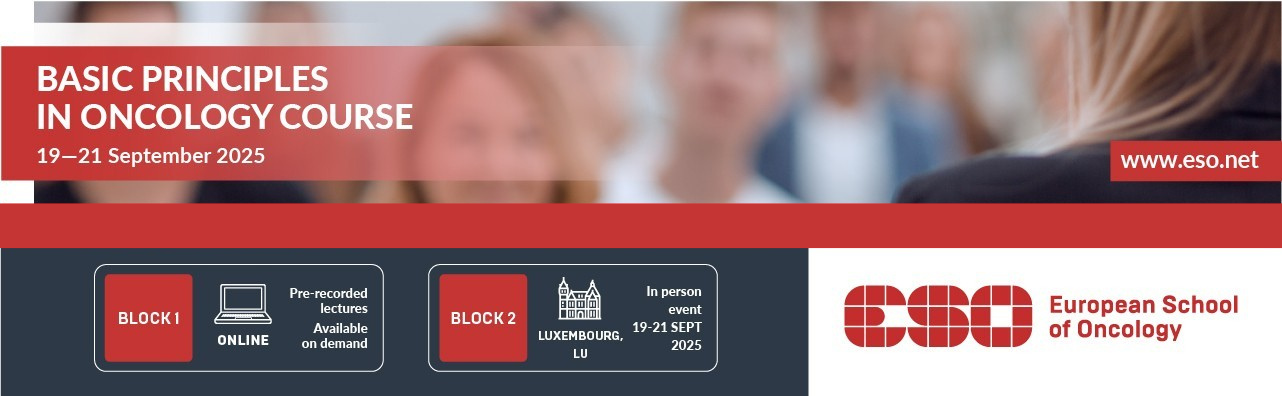
Basic principles in oncology course
HYBRID EVENT
Basic principles in oncology course
HYBRID EVENT
COURSE SCIENTIFIC LEADERSHIP:
Scientific Supervisor - B. A. Jereczek-Fossa, IT
Host Chair - S. Servais, LU
ESO College Chair - A. Eniu, RO/CH
Medical Chair - F. Cardoso, PT
Course Overview
ESO offers a comprehensive introductory course for oncology trainees in Europe, designed to bridge the gap between undergraduate education and ESO’s renowned Masterclasses.
The course provides orientation to the core principles of multidisciplinary cancer care and offers insight into the professional life of the modern oncologist.
While some foundational principles of oncology align with general medical training, increasing sub-specialisation has limited early exposure to oncological practice. As a result, new trainees often face unique challenges — from navigating a vast and complex curriculum, to adapting to a fast-evolving clinical environment, all while managing career planning, academic development, and work-life balance.
Learning Objectives
Participants will receive structured updates and introductions on the following topics:
- Fundamentals of aetiology and epidemiology
- Basics of cancer genetics, staging, and imaging
- Essentials of surgical oncology and pathology
- Principles of radiotherapy and chemotherapy
- Introduction to paediatric oncology
- Overview of tumour boards and key patient-centred issues: communication, supportive and palliative care
- Introduction to clinical trials and critical appraisal of scientific literature
This course is endorsed by the University of Luxembourg.
Course Format
The course is divided into two parts:
- Part 1 – Online Learning
Participants will complete a series of pre-recorded lectures made available online.
These must be completed prior to the in-person event. - Part 2 – In-Person Event
Location: Luxembourg, LU
Dates: 19–21 September 2025
Duration: 2.5 days
Language
The course will be held in English.
No translation services will be provided.
Registration Fee
Selected participants will be asked to confirm their attendance by paying a registration fee of EUR 150,00 which includes:
- Access to the full course and its educational materials
- 3 nights’ accommodation
- Meals as outlined in the programme
Travel costs are not covered and must be arranged independently.
ESO College members at the time of application receive a 50% discount on the registration fee.
The fee is a non-refundable contribution towards organisational costs and will not be reimbursed in the case of withdrawal or non-attendance, regardless of the reason.
Accreditation
Participants must attend at least 75% of the course to receive a certificate of attendance.
To obtain the certificate, participants must also complete an online evaluation questionnaire and a learning assessment test. Certificates will be sent via email.
Application for CME recognition will be submitted to the Accreditation Council of Oncology in Europe (ACOE).
ESO College Membership
Participation in this course grants eligibility to join the ESO College and allows existing members to earn 18 ESO College credits toward their progression.
Visit ESO College dedicated section for more information on membership and benefits.
Insurance
ESO cannot be held responsible for any personal or travel-related incidents.
Participants are strongly advised to arrange their own personal and travel insurance coverage.
Contacts – Organising Secretariat
Corinne Hall
European School of Oncology
+39 331 6125784
chall@eso.net
Dolores Knupfer
European School of Oncology
+41 91 820 09 50
dknupfer@eso.net
Basic Principles in Oncology Course - Block 1
Basic Principles in Oncology Course

Abdelkader Heddar
Luxembourg Institute of Health, LuxGen Genome Center, Dudelange, LU
Alexandru Eniu
Genolier Cancer Center, Clinique de Genolier, Medical Oncology Dpt., Genolier, CH
Anastasia Constantinidou
Bank of Cyprus Oncology Centre and Medical School University of Cyprus, Dept. of Oncology, Nicosia, CY

Assia Konsoulova
National Cancer Hospital, Medical Oncology Clinic, Sofia, BG

Barbara Alicja Jereczek-Fossa
European Institute of Oncology, Dept. of Radiotherapy, Milano, IT

Carolin Mogler
Technical University Munich, Molecular Pathology Department, Munich, DE
Daniel Stieber
Luxembourg Institute of Health, LuxGen Genome Center, Dudelange, LU
Danny Kupka
Freiburger Spital, HFR Kantonsspital Freiburg, Dept. of Oncology, Freiburg, CH
Dirk Schrijvers
Ziekenhuisnetwerk Antwerpen-Middelheim, Dept. of Medical Oncology, Antwerp, BE

Domen Ribnikar
Institute of Oncology Ljubljana, Medical Oncology Dpt., Ljubljana, SI
Douglas Hanahan
ISREC- Swiss Institute for Experimental Cancer, Dept. of Life Sciences, Lausanne, CH
Erika Matos
Institute of Oncology Ljubljana, Dept. of Medical Oncology, Ljubljana, SI

Fatima Cardoso
ABC Global Alliance, -, Lisbon, PT

Fatjona Kraja
Mother Teresa University Hospital, Oncology Dept., Tirana, AL
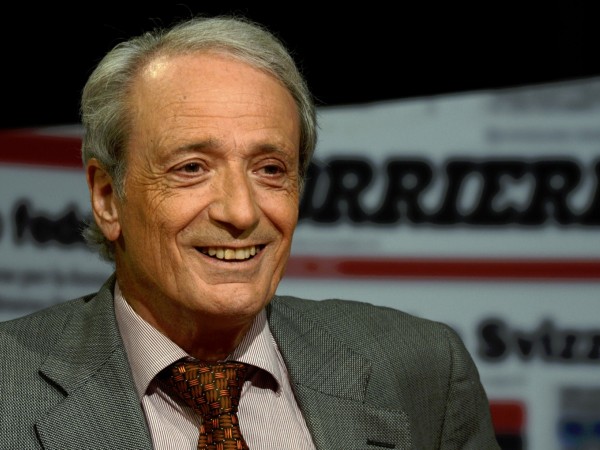
Franco Cavalli
Foundation for the Institute of Oncology Research (IOR), Presidenza, Bellinzona, CH
Frank Jacob
Centre Hospitalier du Nord, Luxembourg, Medical Oncology Department, Ettelbrück, LU
Freddie Bray
International Agency for Research on Cancer, Cancer Surveillance Branch, FR
Guy Berchem
Centre Hospitalier de Luxembourg, Medical Oncology Department, Luxembourg, LU
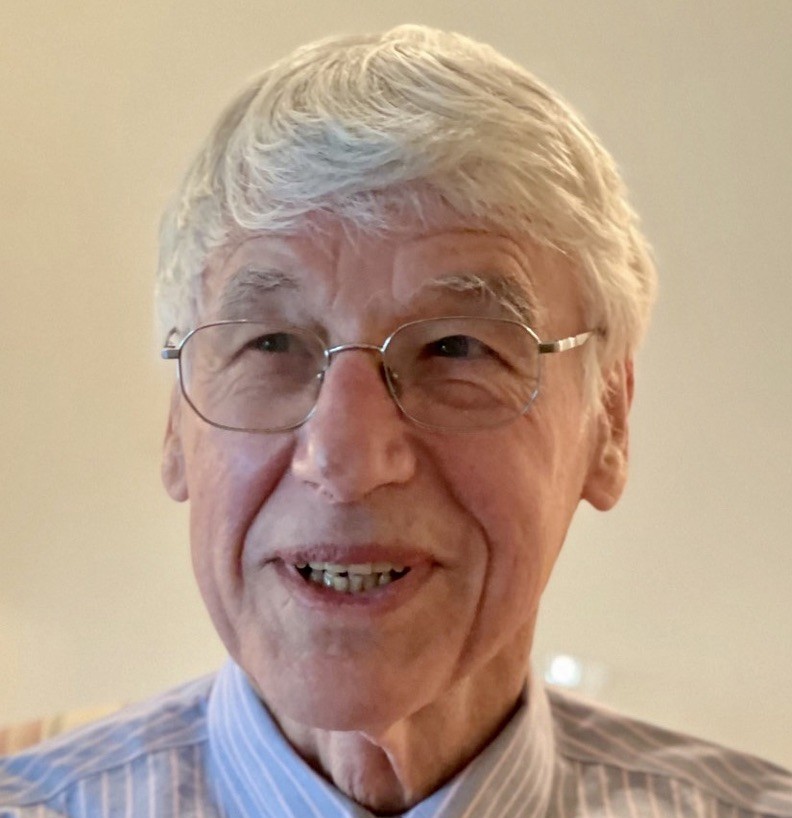
Ian Tannock
Princess Margaret Hospital, Department of Oncology and Hematology, Toronto, CA
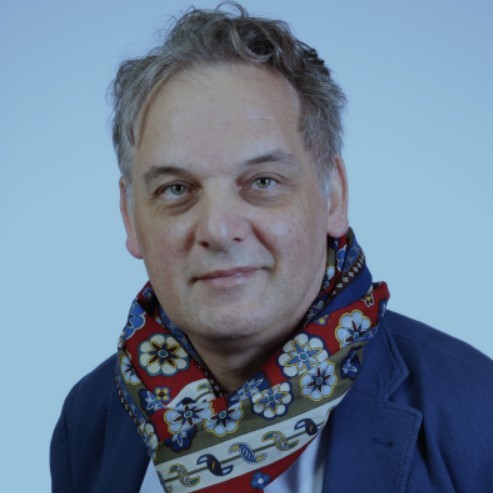
Joseph Gligorov
Institut Universitaire de Cancérologie AP-HP Sorbonne Uiversité, Oncologie Médicale site hôpital Tenon, Paris, FR
Lioe-fee De Geus-oei
Leiden University Medical Center, Nuclear Medicine and Molecular Imaging Department, Leiden, NL
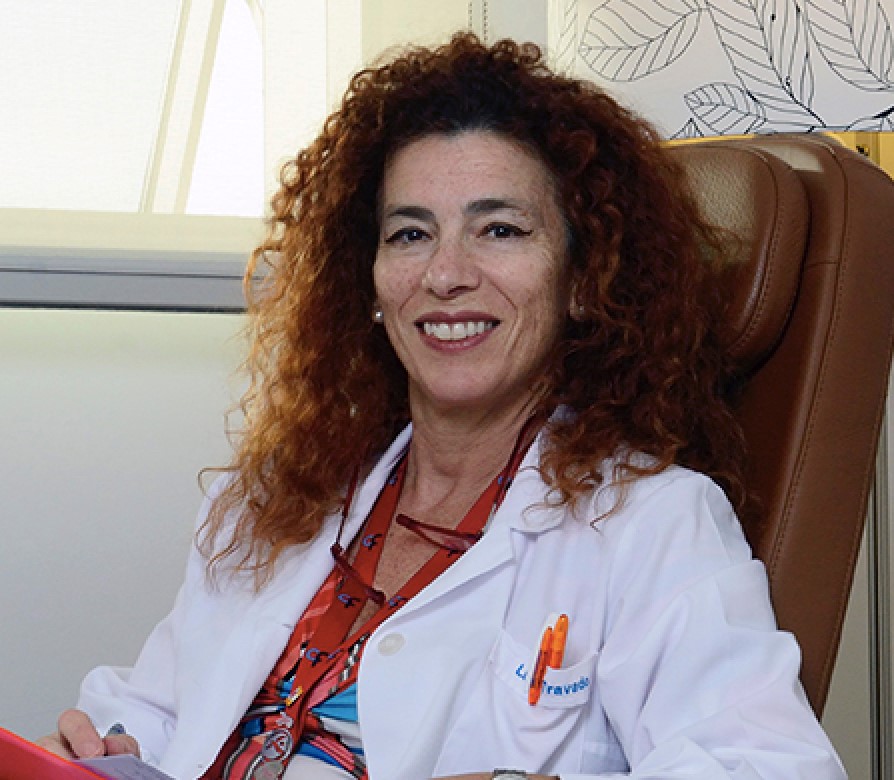
Luzia Travado
Champalimaud Foundation, Champalimaud Clinical and Research Center, Lisbon, PT
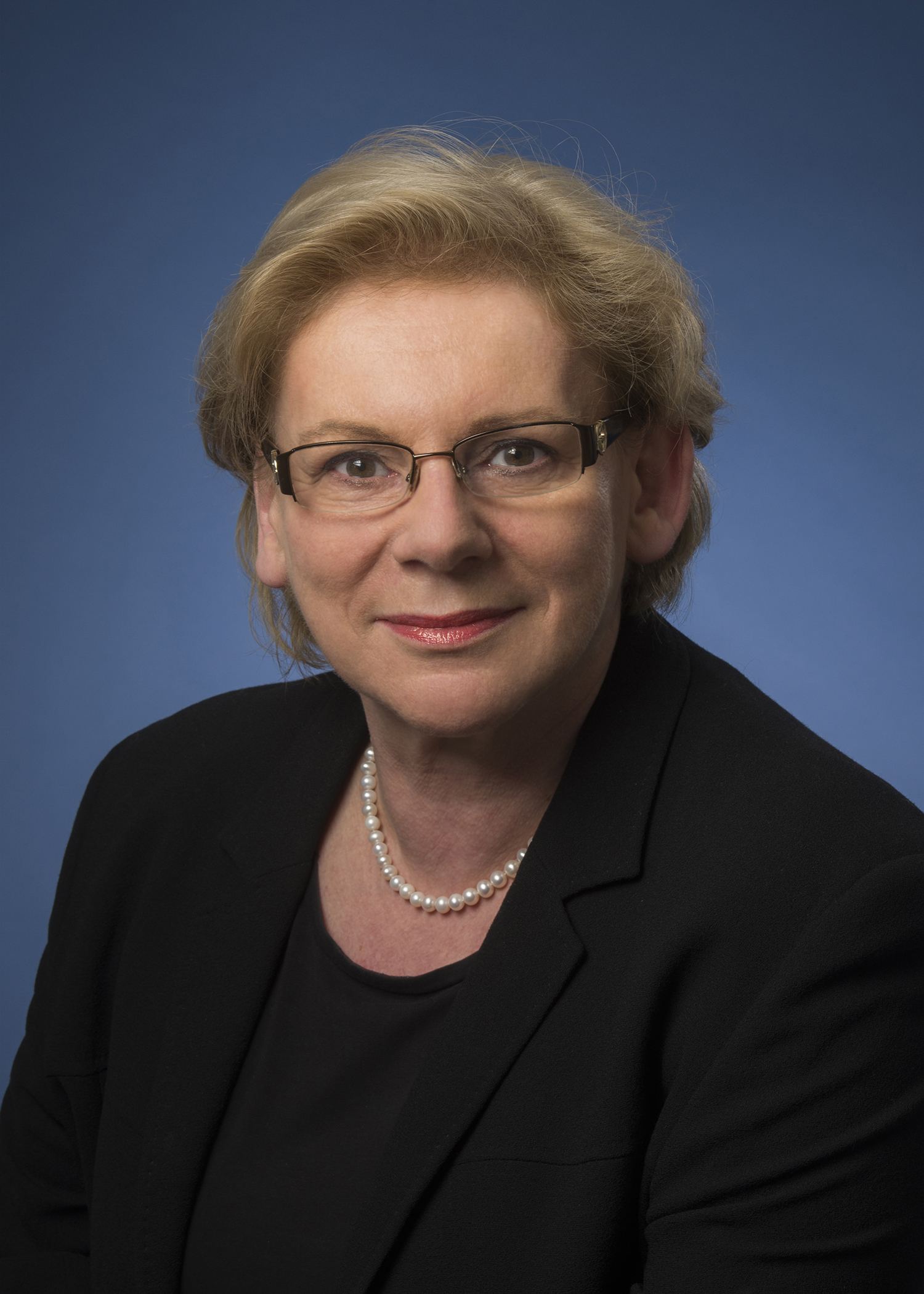
Mary Gospodarowicz
Princess Margaret Cancer Centre - University of Toronto, Dept. of Radiation Oncology, Toronto, CA
Matthias Schuppe
European Commission, Luxembourg, LU

Matti Aapro
Clinique de Genolier, Genolier Cancer Center, Genolier, CH
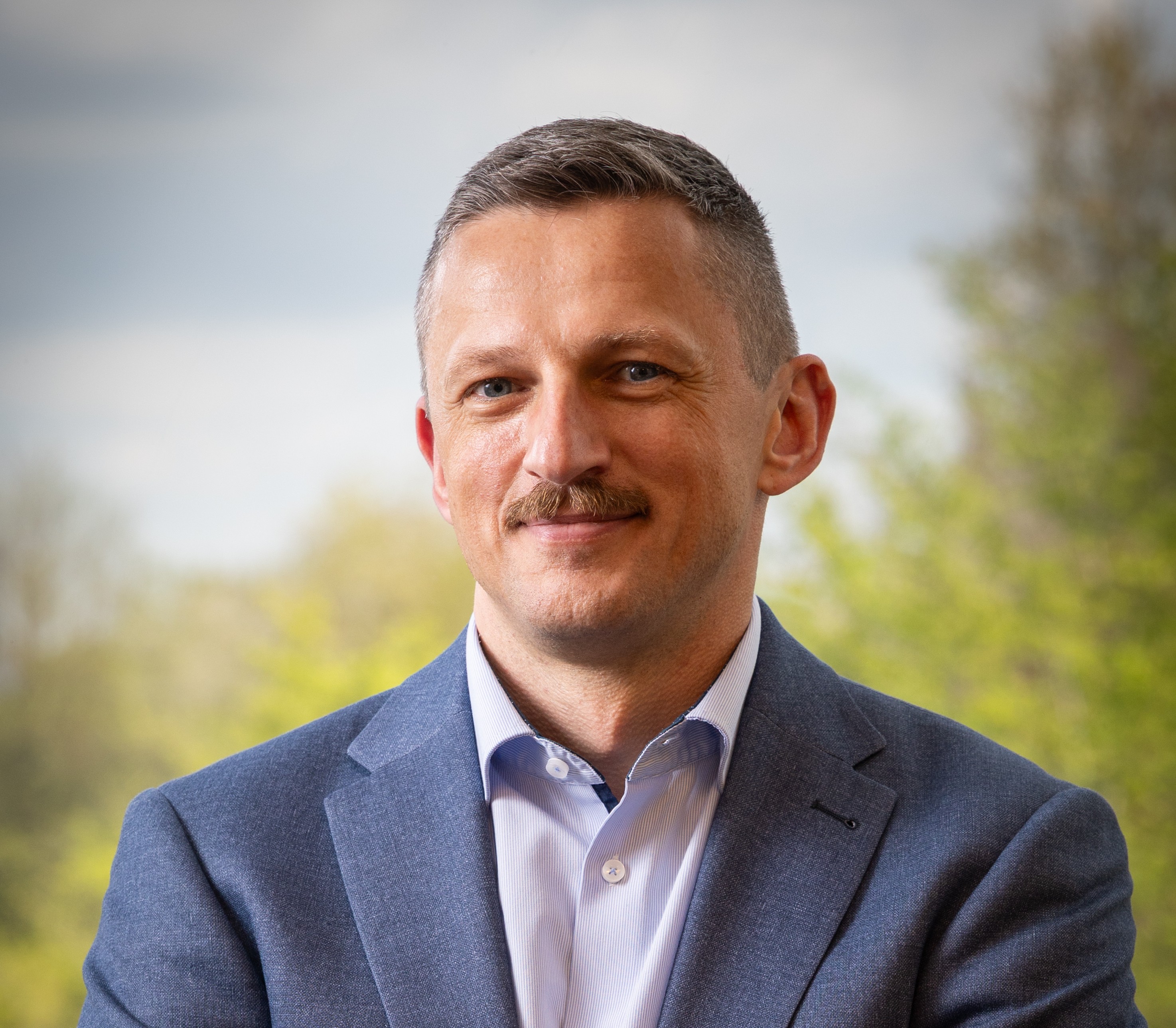
Nikolai Goncharenko
National Cancer Institute, -, Strassen, LU
Patrick Neven
University Hospitals Leuven, Gynaecologic Oncology, Leuven, BE

Petra Steyerova
General University Hospital Prague, Clinic of Radiology, Breast Cancer screening and diagnostic center, Prague 2, CZ
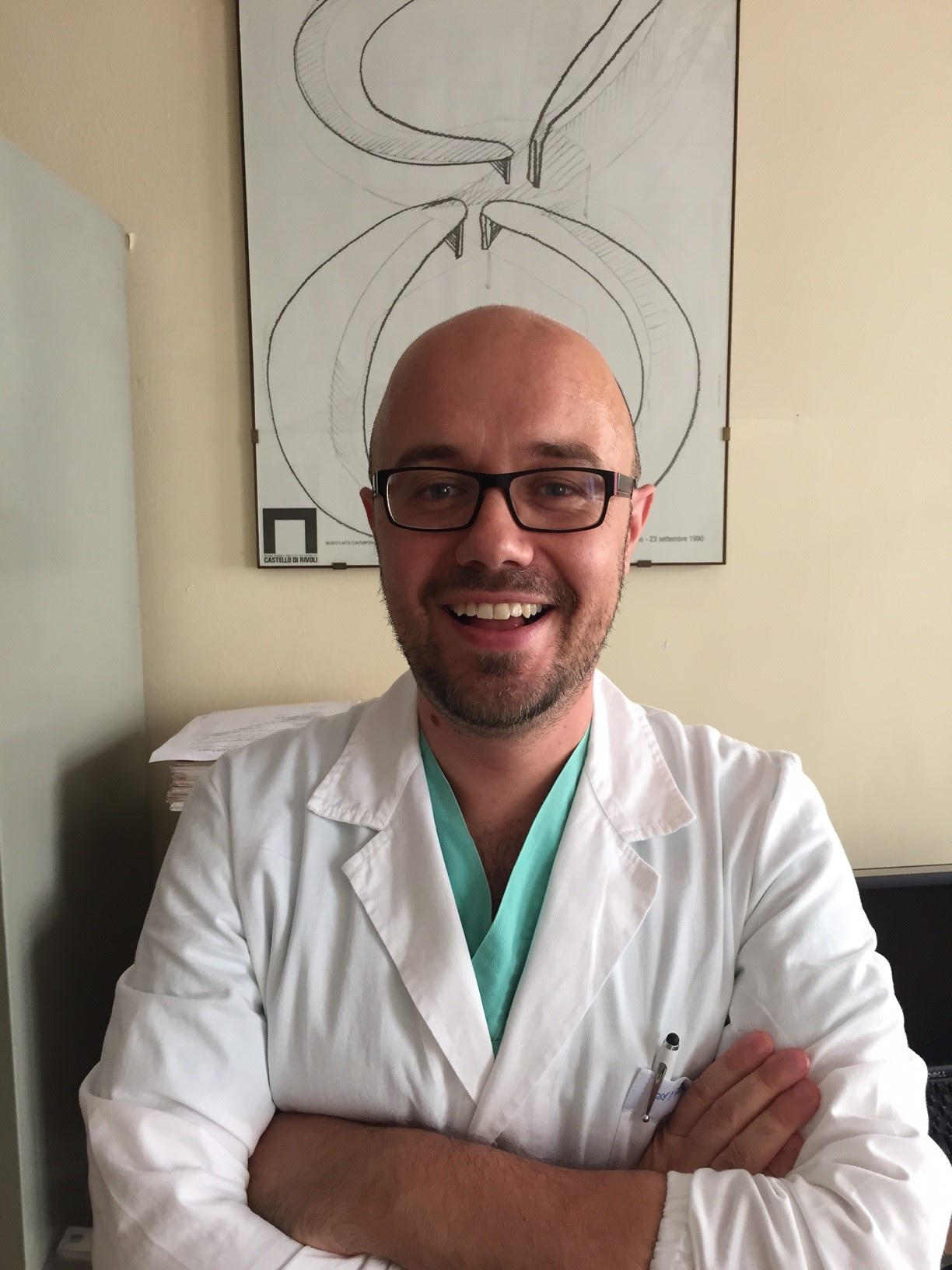
Pierfrancesco Franco
University of Eastern Piedmont, Dept. of Translational Medicine, Novara, IT
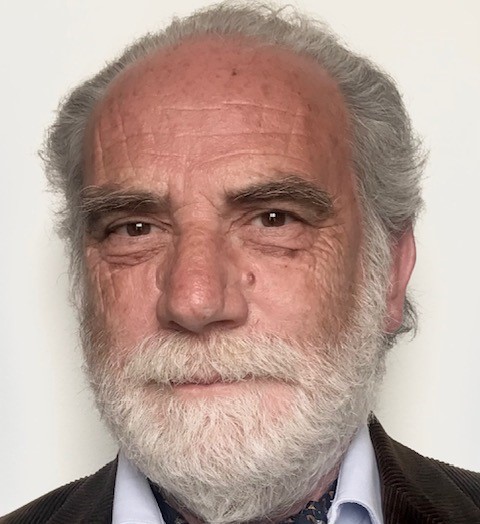
Riccardo A. Audisio
Institute of Clinical Sciences - Sahlgrenska University Hospital, Dept. of Surgery, Göteborg, SE
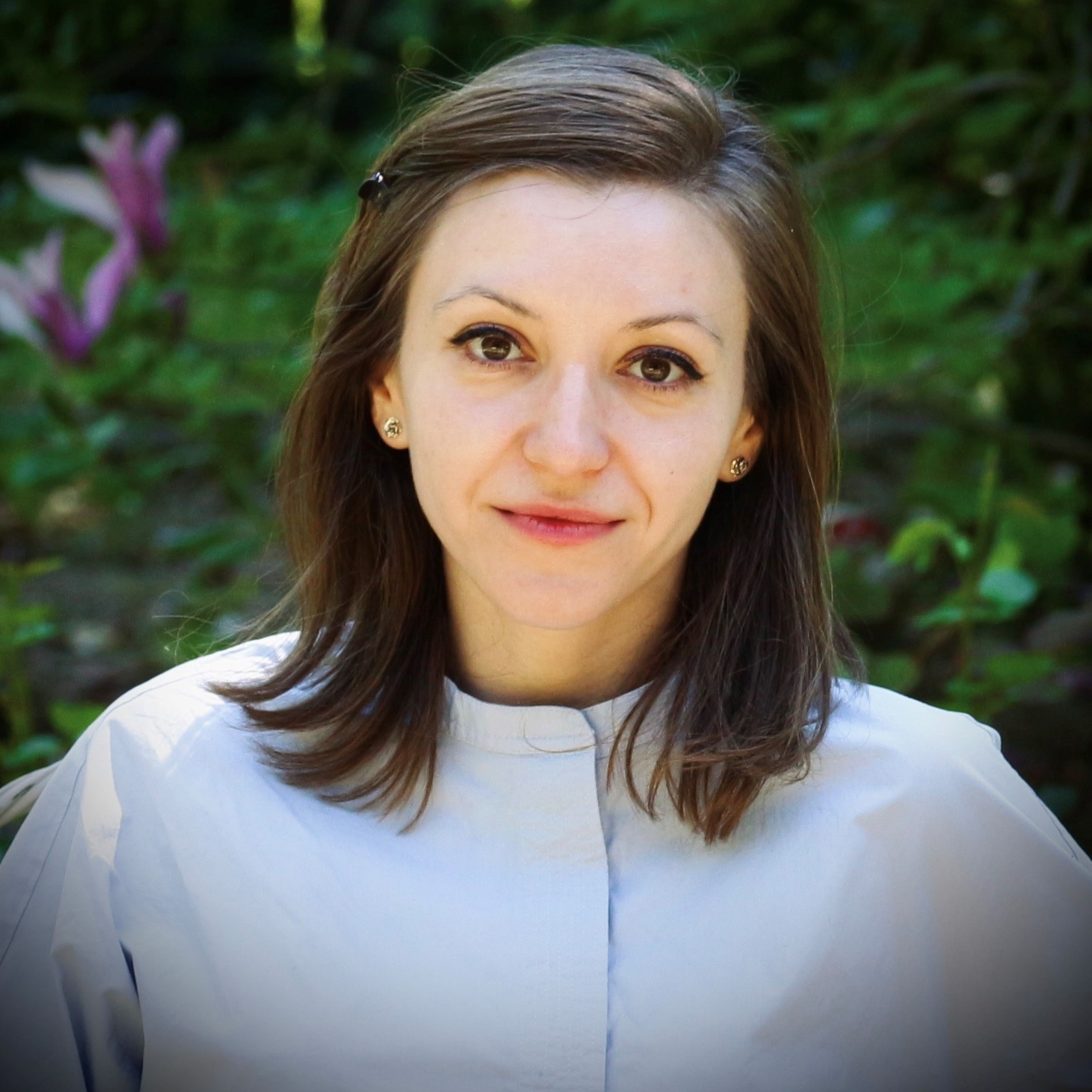
Silvia Brotea-Mosoiu
Oncology Institute of Bucharest, Medical Oncology Dept., Bucharest, RO
Sophie Servais
University of Luxembourg, Oncology Department, Esch-sur-Alzette, LU

Stefan Bielack
Klinikum Stuttgart - Olgahospital, Dept. of Pediatric Oncology, Hematology, Immunology Dpt., Stuttgart, DE

Stefan Rauh
Centre Hospitalier Emile Mayrisch Differdange et Esch, Medical Oncology/ Hematology Department, Esch-sur-Alzette, LU
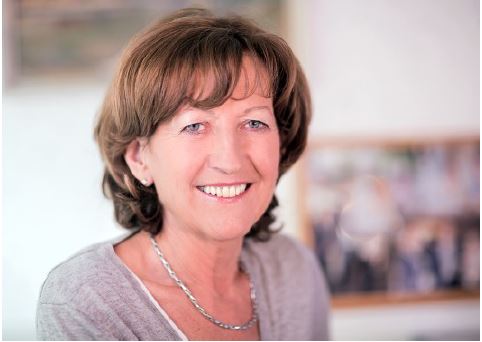
Tanja Cufer
University of Ljubljana, Medical Faculty, Ljubljana, SI
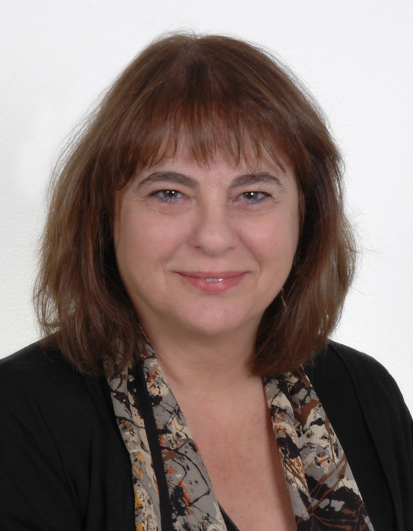
Urania Dafni
National and Kapodistrian University of Athens, Public Health Dpt., Goudi-Athens, GR
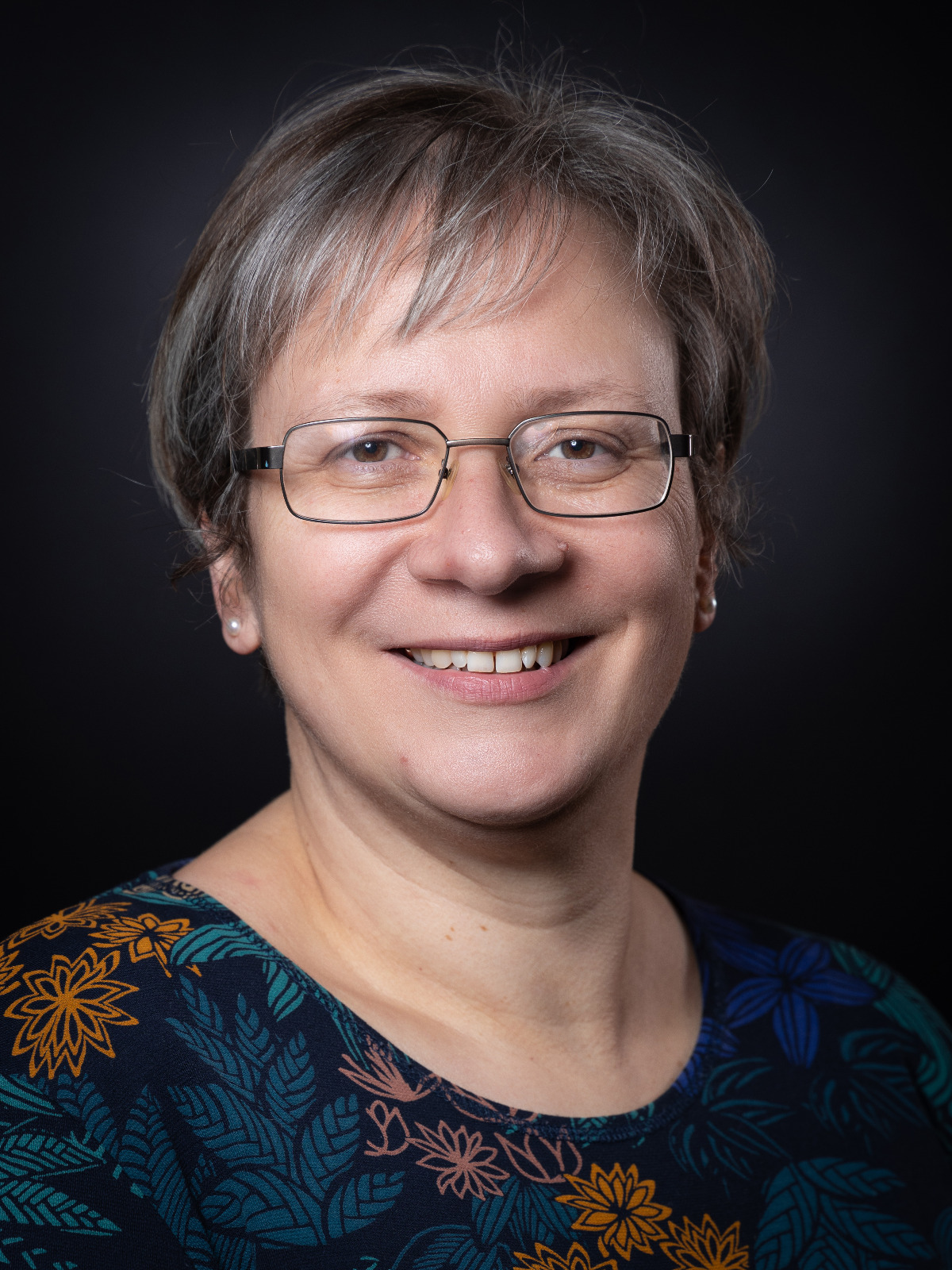
Uta Schmidt-strassburger
Ulm University, Learning and Teaching, Medical Faculty, Ulm, DE
APPLICATIONS ARE CLOSED
Participation
The course is open to 60 participants, selected through a competitive application process.
Priority will be given to applicants who have previously attended an ESO–ESMO course for medical students or the ESO–ESSO–ESTRO course for medical students.
Who Should Apply
The course is intended for early-career oncologists, in particular Medical or Radiation Oncologists in their first three years of oncology specialisation.
How to Apply
Applications must be submitted online
You will be asked to complete a questionnaire detailing:
- Your professional and training background
- Your research experience and publications
- Your motivation and personal commitment
Required documents (in PDF format):
- Recommendation letter: Signed and on official hospital letterhead, from your head of department or mentor
- Curriculum Vitae (CV)
Please ensure all documents are ready before starting the online application. Incomplete submissions will not be considered.
You will be asked to accept ESO’s Data Protection Statement during the application process.
Selection Process
Applications are evaluated through a two-step process:
- Automated Scoring
Certain sections of the application are assessed using a predefined points-based system to ensure fairness and consistency. - Committee Review
Qualitative sections, including motivation and personal statements, are reviewed and scored by ESO’s selection committee.
This dual approach ensures a transparent, balanced and merit-based selection of the most suitable candidates.
