Refresher Course on Melanoma
Refresher Course on Melanoma
COURSE LEADERSHIP
Chairs - R. A. Audisio (SE/IT), R. Olofsson Bagge (SE)
Host Chair - A. M. Forsea (RO)
College Representative - E.A Bonci (RO)
ESO Ambassador - S. Volovat (RO)
DESCRIPTION
The Refresher Course on Melanoma is designed for medical oncologists, dermatologists, surgical oncologists, pathologists, radiologists, radiation oncologists and other specialists involved in melanoma care. The course provides a comprehensive and multidisciplinary update on the biology, diagnosis, staging, and treatment of melanoma across all disease stages.
Through expert-led lectures, case-based discussions, panel debates, and interactive sessions, participants will gain an integrated understanding of contemporary, multidisciplinary and patient-centered melanoma management. The programme covers epidemiology and tumour biology, modern diagnostic imaging and molecular techniques, surgical standards, locoregional interventions, the rapidly evolving landscape of systemic therapies, including immunotherapy and targeted treatments, as well as the principles of primary, secondary and tertiary prevention.
The programme is built around learning outcomes derived from internationally published curricula across all oncology specialties. Each session aligns with globally recognised educational frameworks to ensure relevance and consistency for oncology professionals worldwide. Emphasis is placed on clinical decision-making in real-world scenarios, optimal sequencing of therapies, and collaboration within multidisciplinary teams. The course also addresses current controversies, emerging evidence, and future directions in melanoma research and treatment.
Attendance is limited and by application only, ensuring an interactive learning environment with close engagement between participants and faculty.
LEARNING OBJECTIVES
• Understand melanoma epidemiology, risk factors, tumour biology, and natural history.• Apply current principles of clinical, pathological, and molecular diagnosis in melanoma.
• Interpret staging investigations, including cross-sectional imaging and molecular prognostic markers.
• Describe contemporary surgical standards for primary melanoma and regional disease.
• Evaluate the role of locoregional and interventional therapies in cutaneous and advanced melanoma.
• Understand the mechanisms of action, indications, and toxicity profiles of modern systemic therapies, including immunotherapy and targeted agents.
• Define the role of neoadjuvant and adjuvant systemic treatment strategies.
• Optimise treatment strategies for advanced (stage IV) melanoma.
• Integrate multidisciplinary perspectives into personalised management planning.
• Critically appraise emerging evidence and future developments in melanoma care.
• Engage in structured discussion of clinical cases and controversial scenarios in melanoma management
OFFICIAL LANGUAGE
The official language is English. No translation will be available.REGISTRATION FEE
The top 30 applicants will receive a place with accommodation with a reservation fee of €160.A further 30 applicants will be selected (if eligible) with a reservation fee of €80 without accommodation.
The fee includes:
- Access to the full course and its educational resources
- Meals as outlined in the programme
- Two nights’ accommodation in Bucharest (arrival: 16th September – departure: 18th September)
Travel costs are not covered and must be arranged independently.
ESO College members at the time of application receive a 50% discount on the registration fee.
The fee is a non-refundable contribution towards organisational costs and will not be reimbursed in the case of withdrawal or non-attendance, regardless of the reason.
CME ACCREDITATION
The European Accreditation Council for Continuing Medical Education (EACCME) has accredited the course with 13,5 CME credits for medical specialists. The EACCME is an institution of the European Union of Medical Specialists (UEMS), www.uems.netEach medical specialist should claim only those hours of credit that he/she actually spent in the educational activity.
ESO COLLEGE MEMBERSHIP
Participation in this course grants eligibility to join the ESO College and allows existing members to earn 9 ESO College credits toward their progression.Visit ESO College dedicated section for more information on membership and benefits.
INSURANCE
Participants are advised to take out personal and travel insurance. ESO is not responsible for incidents during the event.CONTACTS
Dolores Knupfer - dknupfer@eso.netCorinne Hall - chall@eso.net
Arrivals & Registration
Introduction, presentation of participants
ESO, the College and what ESO did for me
Introduction of the problem
Melanoma epidemiology (burden, risk factors, risk profiles)
Ana Maria Forsea (RO)Melanoma biology and natural course
Teresa Amaral (FR)Diagnosis and staging
Overview of what is new in clinical and skin imaging diagnosis
Ana Maria Forsea (RO)Pathological and molecular diagnosis
Sabina Zurac (RO)Cross-sectional imaging for staging
Mirela Gherghe (RO)Molecular prognostic markers
Teresa Amaral (FR)Coffee break
Panel discussion
Surgery and interventional therapies
Overview of surgical standards and interventional therapies for primary tumors and metastases
Roger Olofsson Bagge (SE)Case presentations and discussion
Ana Maria Forsea (RO) Laurentia Nicoleta Gales (RO) Mirela Gherghe (RO) Christoph Hoeller (AT) Roger Olofsson Bagge (SE) Olga Valcina (LV) Sabina Zurac (RO)Lunch
Management of the toxicity of systemic treatments
Lecture
Ana Maria Forsea (RO) Laurentia Nicoleta Gales (RO)Discussion
Ana Maria Forsea (RO) Laurentia Nicoleta Gales (RO)Systemic treatment: Modalities (mechanisms of actions, indications, benefits and AEs)
Coffee break
Neoadjuvant and adjuvant treatment
Overview of indications and schedules of treatment
Christoph Hoeller (AT)Case and panel discussion
Teresa Amaral (FR) Ana Maria Forsea (RO) Laurentia Nicoleta Gales (RO) Mirela Gherghe (RO) Roger Olofsson Bagge (SE) Olga Valcina (LV)Stage IV treatment
Overview of existing treatments and recommendations
Laurentia Nicoleta Gales (RO)Case and panel discussion
Teresa Amaral (FR) Ana Maria Forsea (RO) Laurentia Nicoleta Gales (RO) Mirela Gherghe (RO) Roger Olofsson Bagge (SE) Olga Valcina (LV) Sabina Zurac (RO)Day's summary
Dinner
New treatment approaches
Lecture: Overview of new treatments
Christoph Hoeller (AT)Discussion
Ana Maria Forsea (RO) Laurentia Nicoleta Gales (RO) Roger Olofsson Bagge (SE)Local interventional therapies for cutaneous metastases
Overview of local interventional therapies
Roger Olofsson Bagge (SE) Winan Van Houdt (NL)Case presentations and discussion
Ana Maria Forsea (RO) Mirela Gherghe (RO) Roger Olofsson Bagge (SE) Olga Valcina (LV) Winan Van Houdt (NL) Sabina Zurac (RO)Coffee break
Ocular melanoma
Follow-up Lecture: current standards, objectives
Prevention ( primary, secondary)
Lunch
Living with melanoma
Nutrition
Simona Marinescu (RO)Nursing
Jackie Hodgetts (UK)Family counseling
Ana Maria Forsea (RO) Olga Valcina (LV)Communication
Olga Valcina (LV)Discussion
Coffee break
AI in melanoma care - benefits, risks, perspectives, limits
Quality care assurance- Reimbursement disparities
Wrap up

Allison Colbert
Independent Health Policy Advisor, Frankfurt am Main, DE
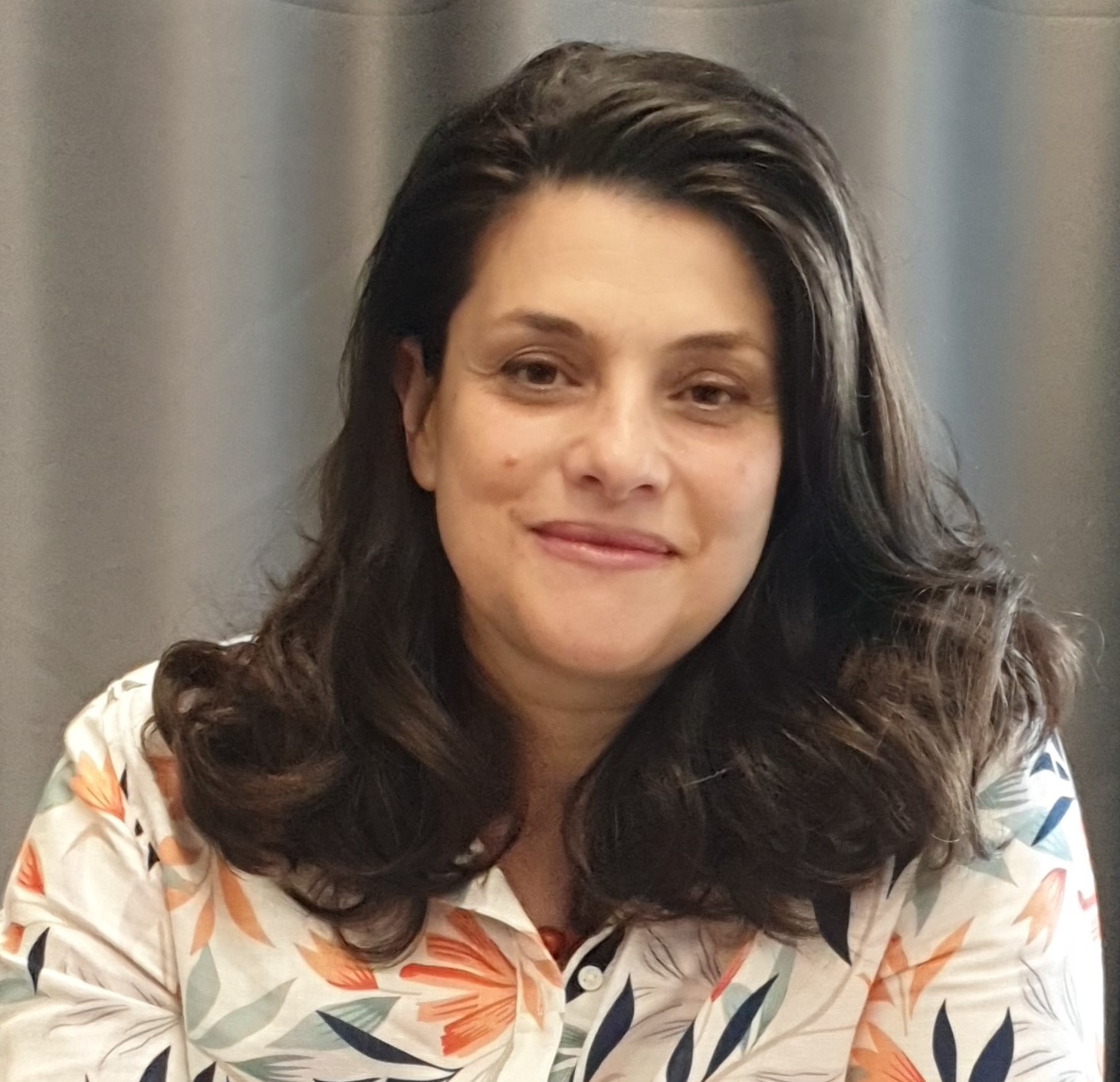
Ana Maria Forsea
Carol Davila University of Medicine and Pharmacy, Romanian Skin Cancer Foundation, Dept. of Dermatology, Bucharest, RO
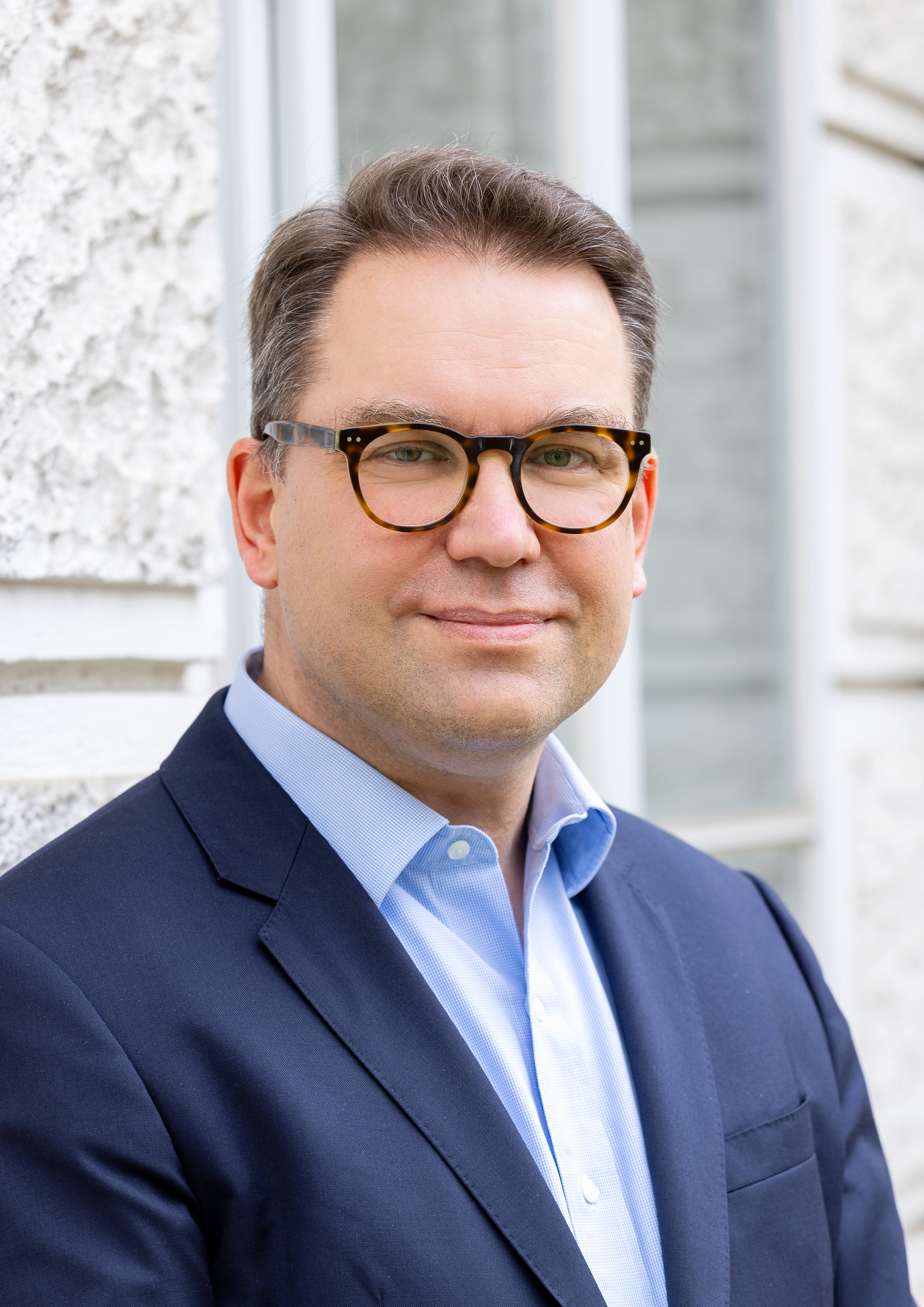
Christoph Hoeller
Medical University of Vienna, Department of Dermatology, Vienna, AT

Eduard Alexandru Bonci
Champalimaud Research and Clinical Centre, Breast Unit, Lisbon, PT
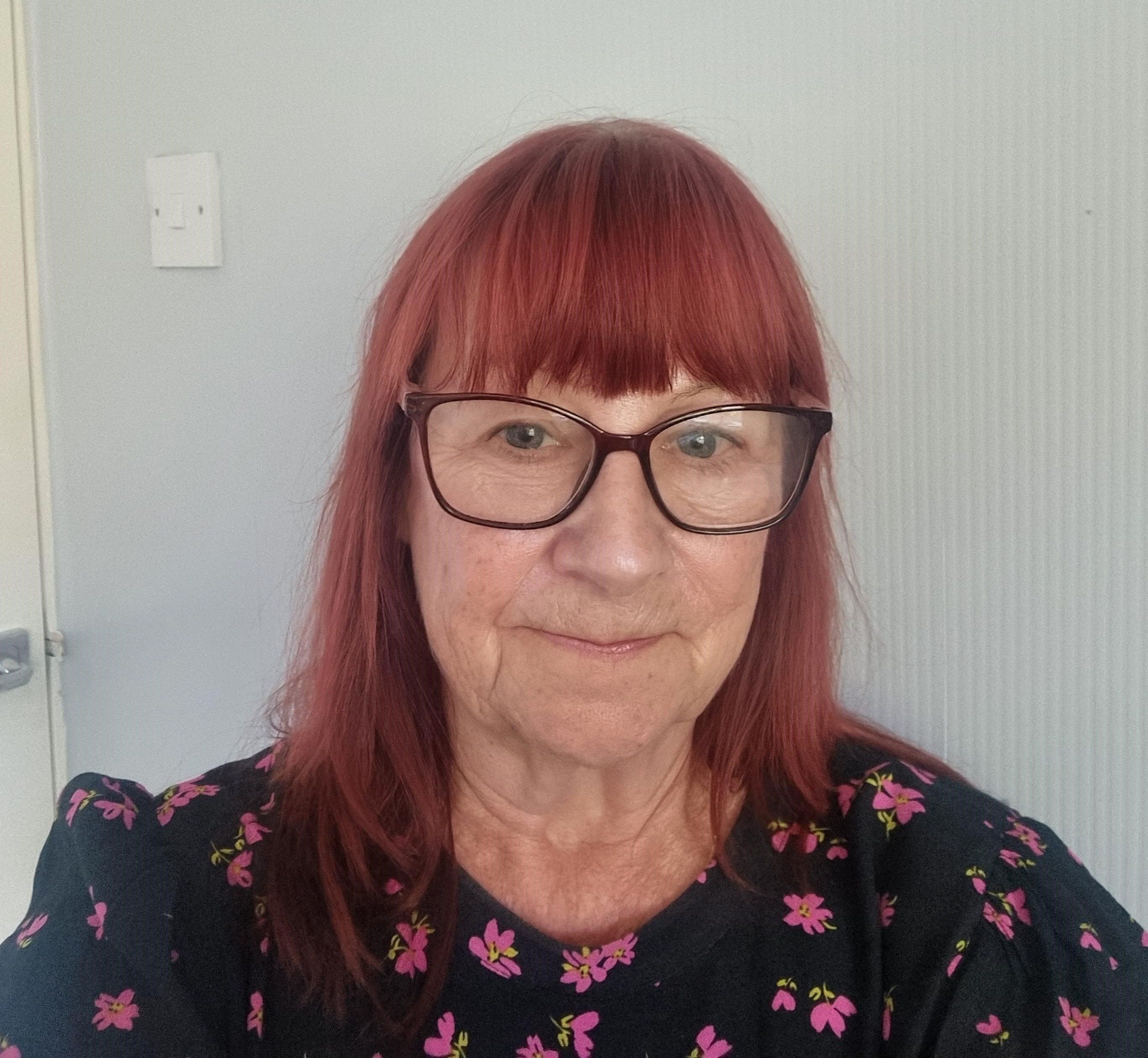
Jackie Hodgetts
The Christie NHS Foundation Trust, Nursing, Manchester, UK
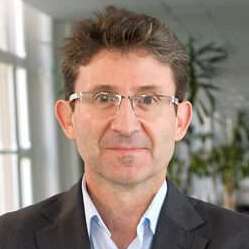
Josep Malvehy
Hospital Clinic, Dermatology Department, Barcelona, ES
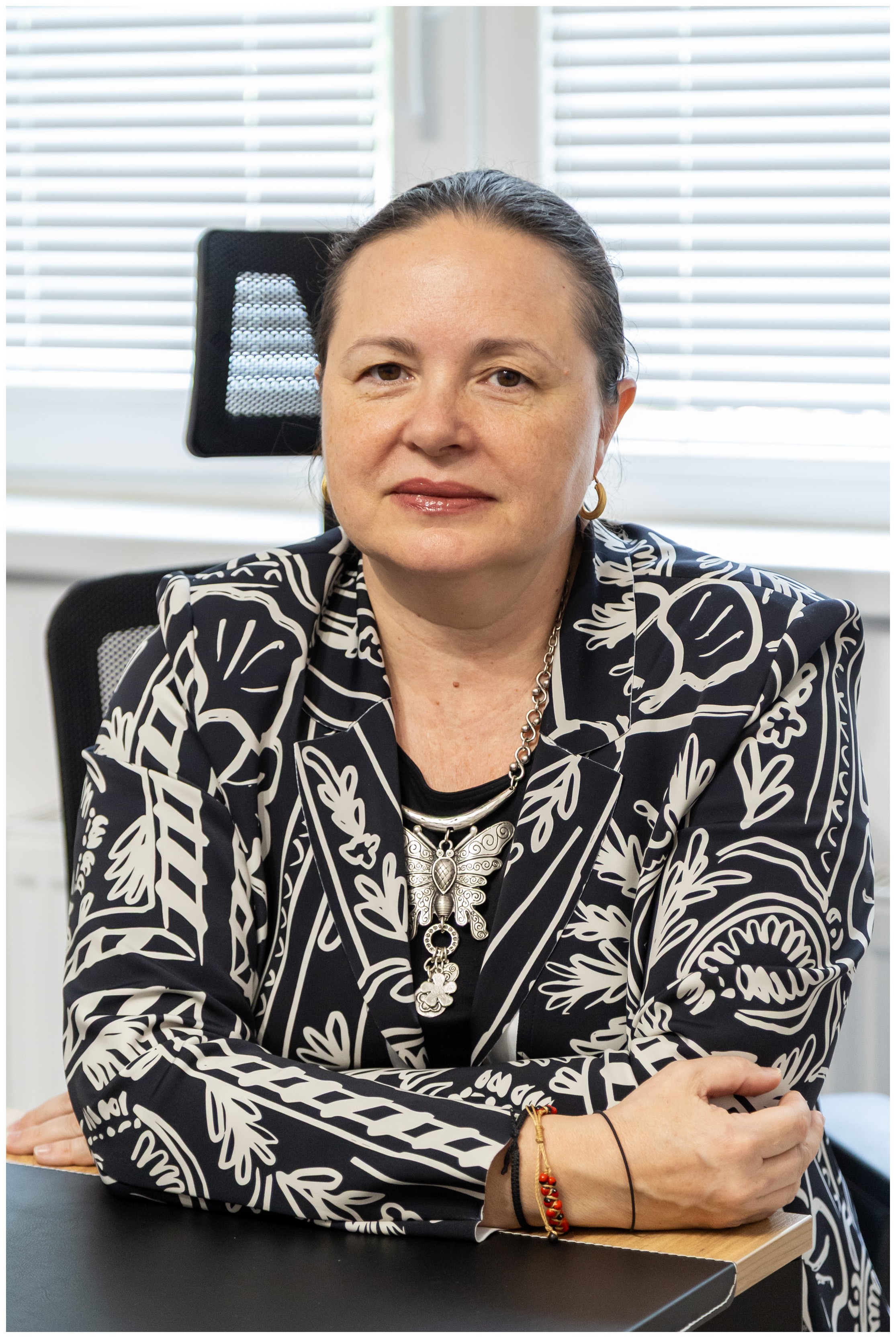
Laurentia Nicoleta Gales
University Of Medicine And Pharmacy Carol Davila, Oncology, Institute Of Oncology Prof Dr Al Trestioreanu, Bucharest, RO
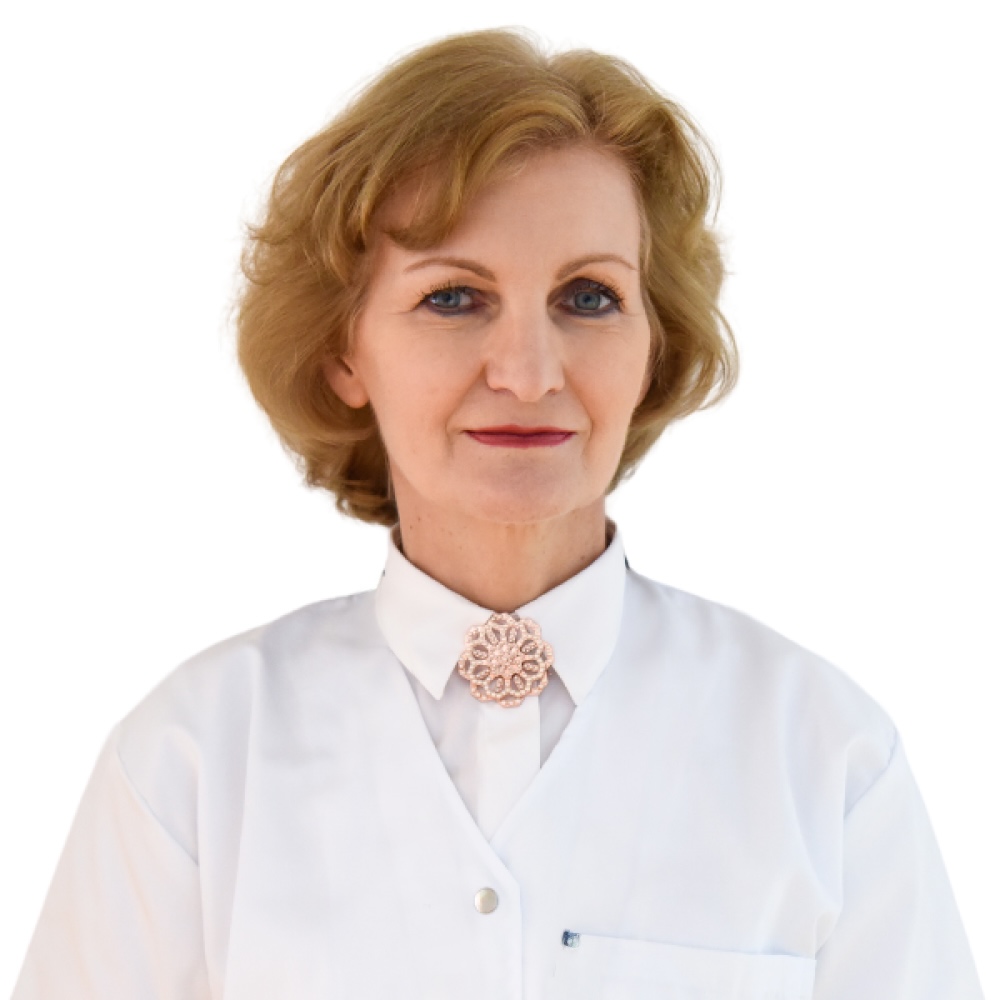
Mirela Gherghe
Prof. Dr. Alexandru Trestioreanu Oncology Institute, Clinical Nuclear Medicine and PET-CT Department, Bucharest, RO
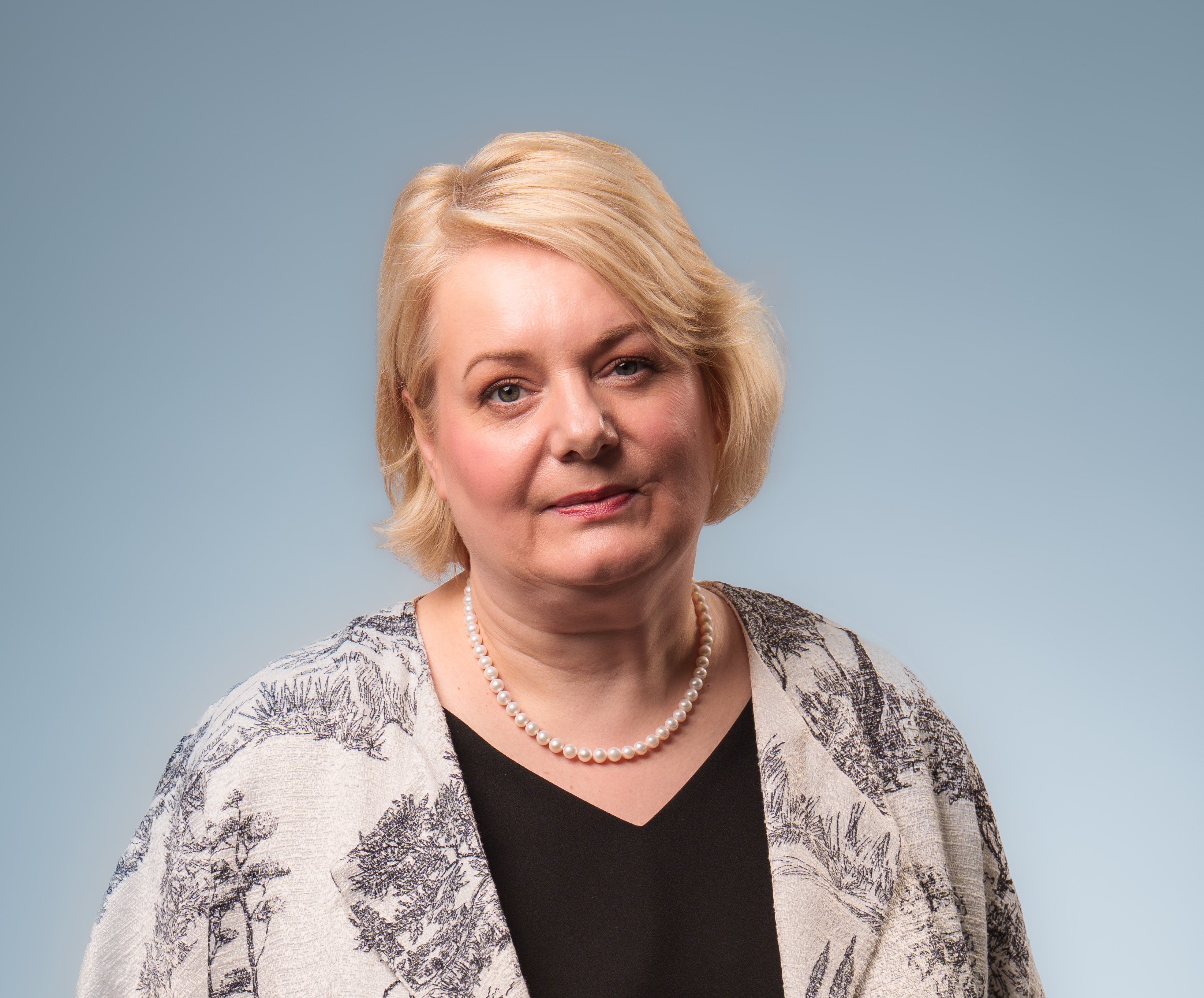
Olga Valcina
Latvian Association of Oncology Patient Organizations “OncoAlliance”, Oncology Dpt., Riga, LV
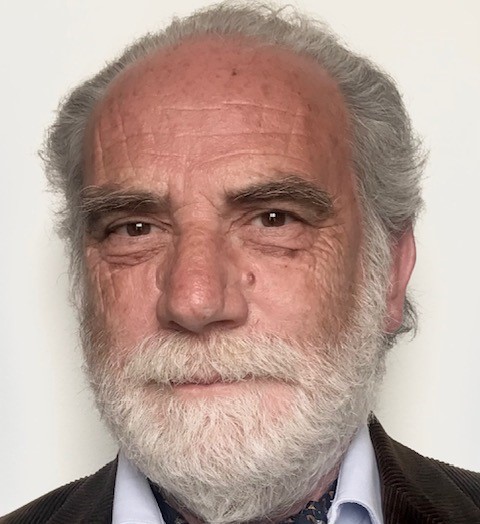
Riccardo A. Audisio
Honorary Professor, Sahlgrenska University Hospital, Dept. of Surgery, Göteborg, SE

Roger Olofsson Bagge
Gothenburg University, Department of Surgery, Gothenburg, SE

Sabina Zurac
Carol Davila and Colentina University Hospital, Department of Pathology, Bucharest, RO
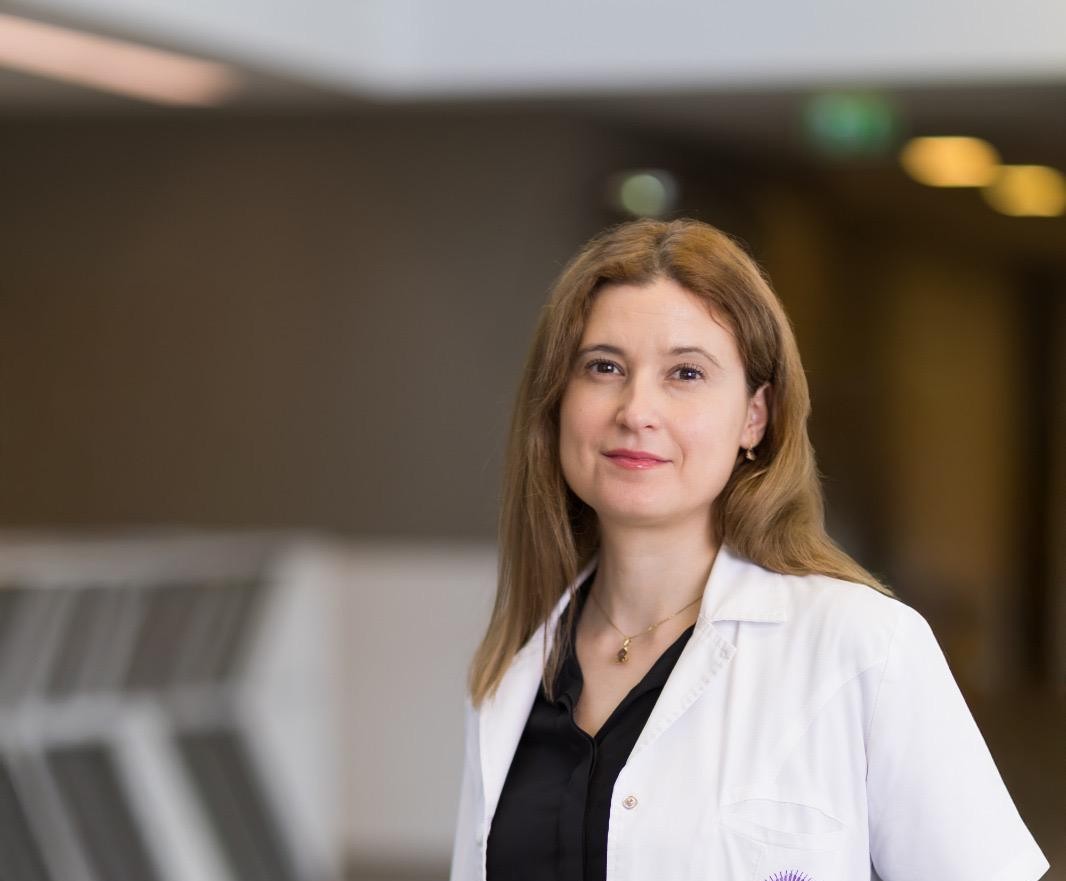
Simona Marinescu
Amethyst, Radiotherapy Dept., Otopeni City, RO
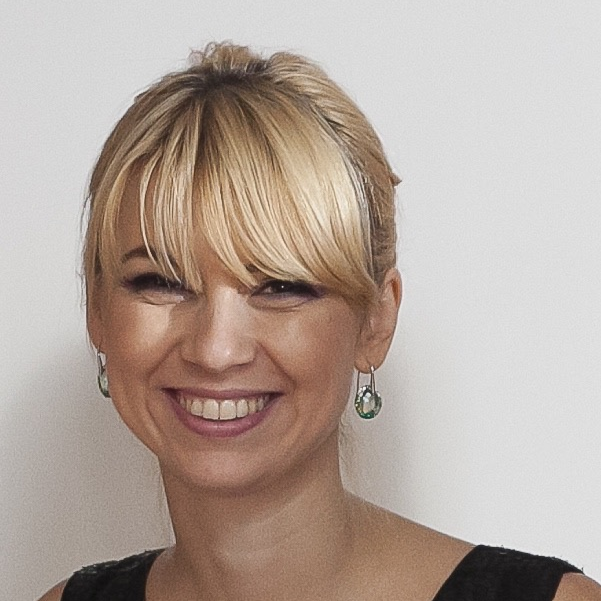
Simona Volovat
Institute of Regional Oncology Iasi, Oncology Dept., Iasi, RO
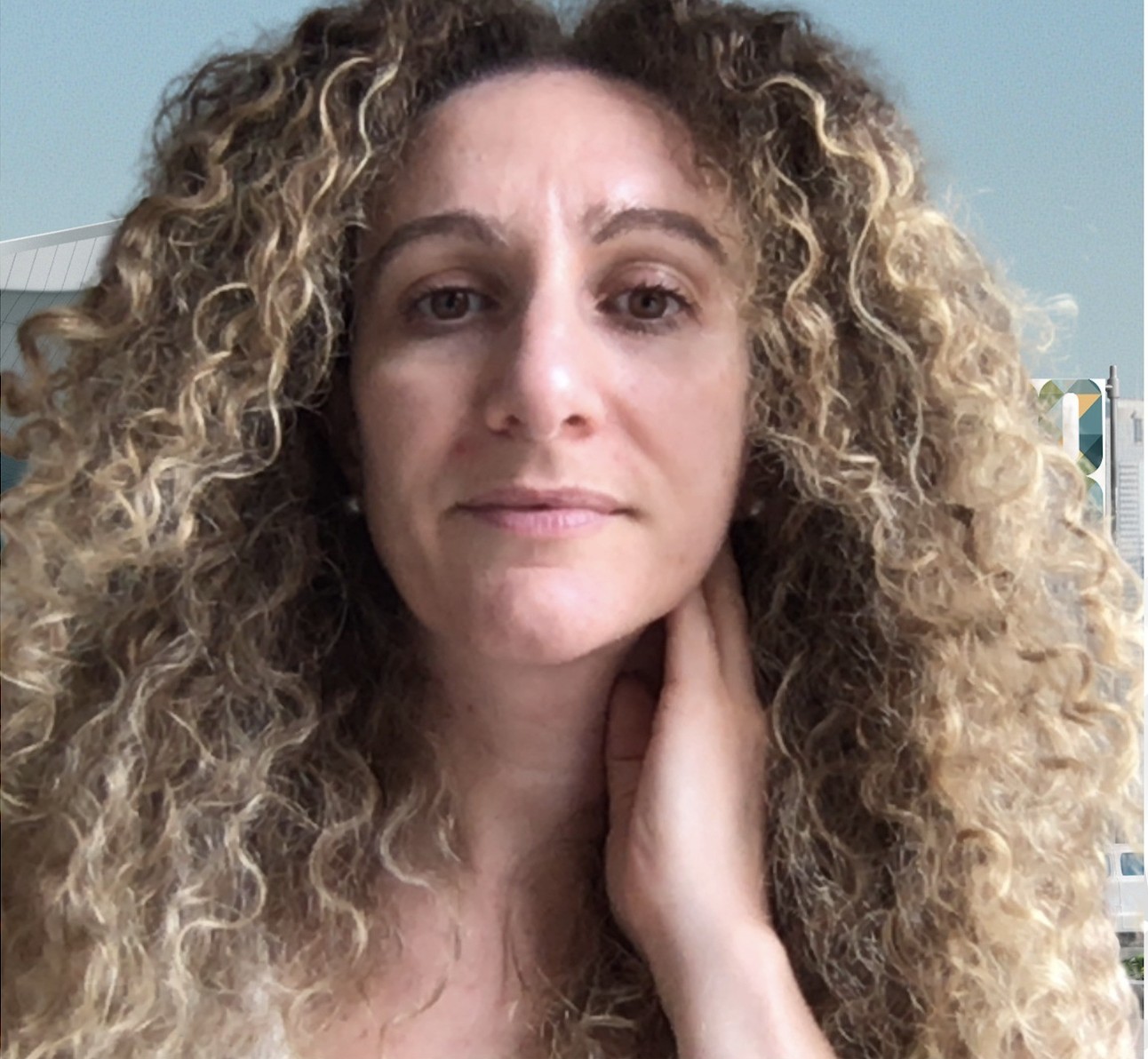
Teresa Amaral
Strauss Institute, Dept. of Medical Oncology, Strasbourg, FR
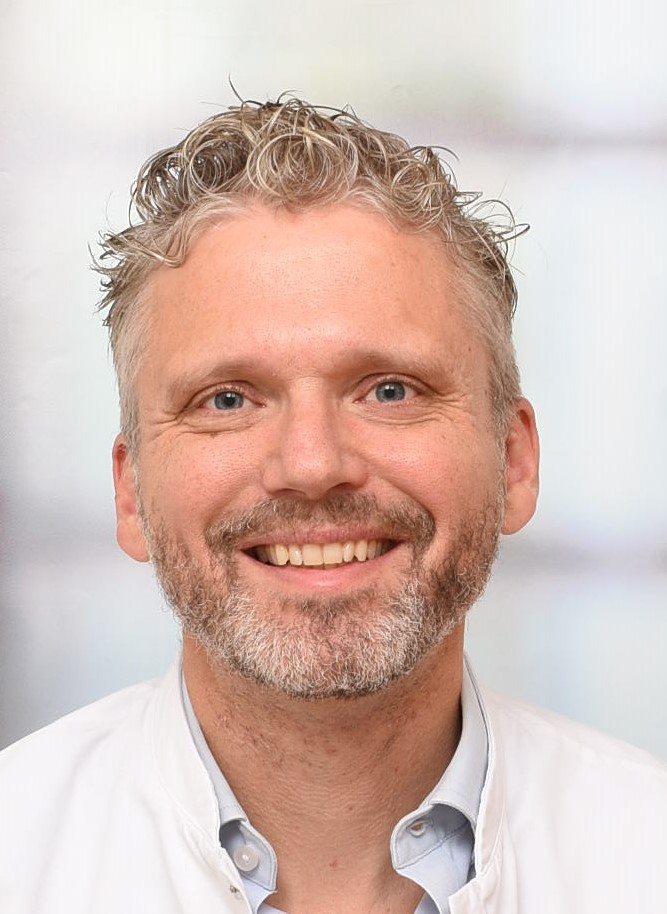
Winan Van Houdt
Netherlands Cancer Institute, Surgical Oncology Dept, Amsterdam, NL
PARTICIPATION
Attendance is limited to 60 participants and admittance is by competitive application only. Priority will be given to applicants who have attended an ESO masterclass.Applicants should meet the following profile:
- MD degree and specialist certificate or final year of residency
- At least 2 years’ experience in melanoma care
- Fluency in English
HOW TO APPLY
If interested please apply online.The application process involves completing an online questionnaire, where you will provide details about:
- Your work experience and training
- Your research experience and publications
- Your motivation and personal commitment to participating in this activity
- Recommendation letter: A letter from your head of department or mentor, written on official hospital letterhead and signed.
- Short CV maximum 2 pages, with the list of top 5 publications relevant (if the list of publication is not provided, it will be assumed that no articles have been published)
- Clinical case (optional): Applicants are encouraged to submit a case (1-2 slides max + 1 question) showing a challenging case (not extremely rare) that if selected will be discussed by the panel to highlight the best approach for treatment and management.
SELECTION PROCESS
Applications are evaluated through a two-step process:Automated Scoring: Some responses are assessed using a predefined scoring system to ensure fairness and consistency. Points are assigned based on your answers.
Committee Evaluation: Other sections, including your qualitative responses, are reviewed and scored by our selection committee.
This type of evaluation ensures a transparent and unbiased selection of top candidates for participation in this activity.
Before you start completing the online application form, please be sure you have all the requested files (CV, Recommendation letter, and Clinical Case) ready to be uploaded to the system. Online applications will not be considered unless all the files are uploaded.
Selected participants will be notified by the end of June 2026.
You will be asked to accept ESO’s Data Protection Statement during the application process.
