Comprehensive Online Course on Oncology Research and Clinical Trials
Live Online Course
Comprehensive Online Course on Oncology Research and Clinical Trials
Live Online Course
Course Overview
This course is designed for basic and translational researchers working in cancer research, eager to better understand how research is done in the clinical setting, as well as clinicians working in oncology who are interested in preclinical, translational and clinical research.The course is aimed to connect both parties which is important for further development of cancer therapeutics and to underline the importance of understanding each other’s roles in creating better care and treatment options for cancer patients.
This comprehensive online course is designed to provide a structured overview of the entire research and clinical trial process, from basic and translational research methodology to planning and conducting clinical trials. Starting with most widespread methodologies, we will then describe more advanced techniques and further delve into principles of cancer clinical trials to give you the understanding of how modern research in oncology is organized and moved forward. The course will cover the most important aspects, including, but not limited to preclinical research methods, role of biomarkers in modern precision oncology trials, main characteristics of phase I, II and III trials and essential considerations for clinical research planning.
Learning Objectives
- Understand the main principles, advantages and limitations of state-of-the art techniques used for cancer diagnostics, such as pathology methods and sequencing techniques.
- Understand the use of cellular and animal models for preclinical cancer research
- Understand the role of biomarkers in modern research and explore strategies for integrating them into clinical trials, particularly those involving targeted therapies.
- Improve their understanding of the phases of clinical trials, the objectives and endpoints of phase I, II and III trials, the role of preclinical research findings in clinical trials planning.
- Understand some basic methods of statistical analysis and how statistical planning of trials is performed.
- Learn how to conceptually plan a trial, choose appropriate endpoints and control arm, write the trial protocol using different trial design frameworks.
Prerequisites
This course is designed for both basic and translational researchers and clinicians to give them the unique opportunity to explore each other’s work in the pursuit of improved patients’ treatment. Participation of basic scientists interested in understanding clinical research as well as clinicians interested in combining preclinical research and clinical work is advised. A basic understanding of the discussed topics is encouraged, as well as any experience in laboratory research or clinical trials, though there are no specific prerequisites to participate in the course.Conclusion
As you embark on this journey through modern biomedical research and clinical trial design, you will gain valuable insights that will enhance your understanding of how to plan and structure your own studies effectively in times of rapidly evolving treatment landscapes and new trial methodologies. By the end of this course, you will be equipped with the knowledge and tools necessary to understand modern research in oncology and how targets identified in preclinical research are translated to big randomized trials leading to drug approval. We look forward to guiding you through this exciting journey, with the hope of inspiring new trial ideas that will contribute to advancing treatment paradigms.Course format
Accreditation
ESO College
Registration
Organising secretariat
Live Streaming
Welcome and Introduction
Histopathology in Oncology
Morphological Characterization and Spatial Proteomics
Paolo Nuciforo (ES)Predictive Biomarkers and AI-assisted Diagnostic
Nicola Fusco (IT)Q&A
Nicola Fusco (IT) Paolo Nuciforo (ES)Molecular pathology in Oncology
Genomic Characterization and Advanced Molecular Technologies
Antonio Marra (IT)Sequencing Applications, Multi-Omics, and Clinical Integration
Eloisa Jantus Lewintre (ES)Q&A
Eloisa Jantus Lewintre (ES) Antonio Marra (IT)Model Systems for Cancer Research
Model Systems for Cancer Research
Francesco Bertoni (CH)Q&A
Francesco Bertoni (CH) Marina Puchinskaya (BY) Bojana Stefanovska (US)Closing remarks
Live Streaming
Welcome and Introduction
From lab to patients: Phase I trials and biomarkers
Biomarkers in clinical trials and translational research
Christian Rolfo (US)Phase I
Anastasios Stathis (CH)Q&A
Christian Rolfo (US) Anastasios Stathis (CH)Later phases trials: Phase II-III trials and statistics
Phase II and III trials
Matteo Lambertini (IT)Statistical considerations in clinical trials
Christina Yap (UK)Q&A
Matteo Lambertini (IT) Christina Yap (UK)How to write and plan general concept of a trial protocol
How to write and plan general concept of a trial protocol
Christophe Massard (FR)Q&A
Christophe Massard (FR)Closing remarks
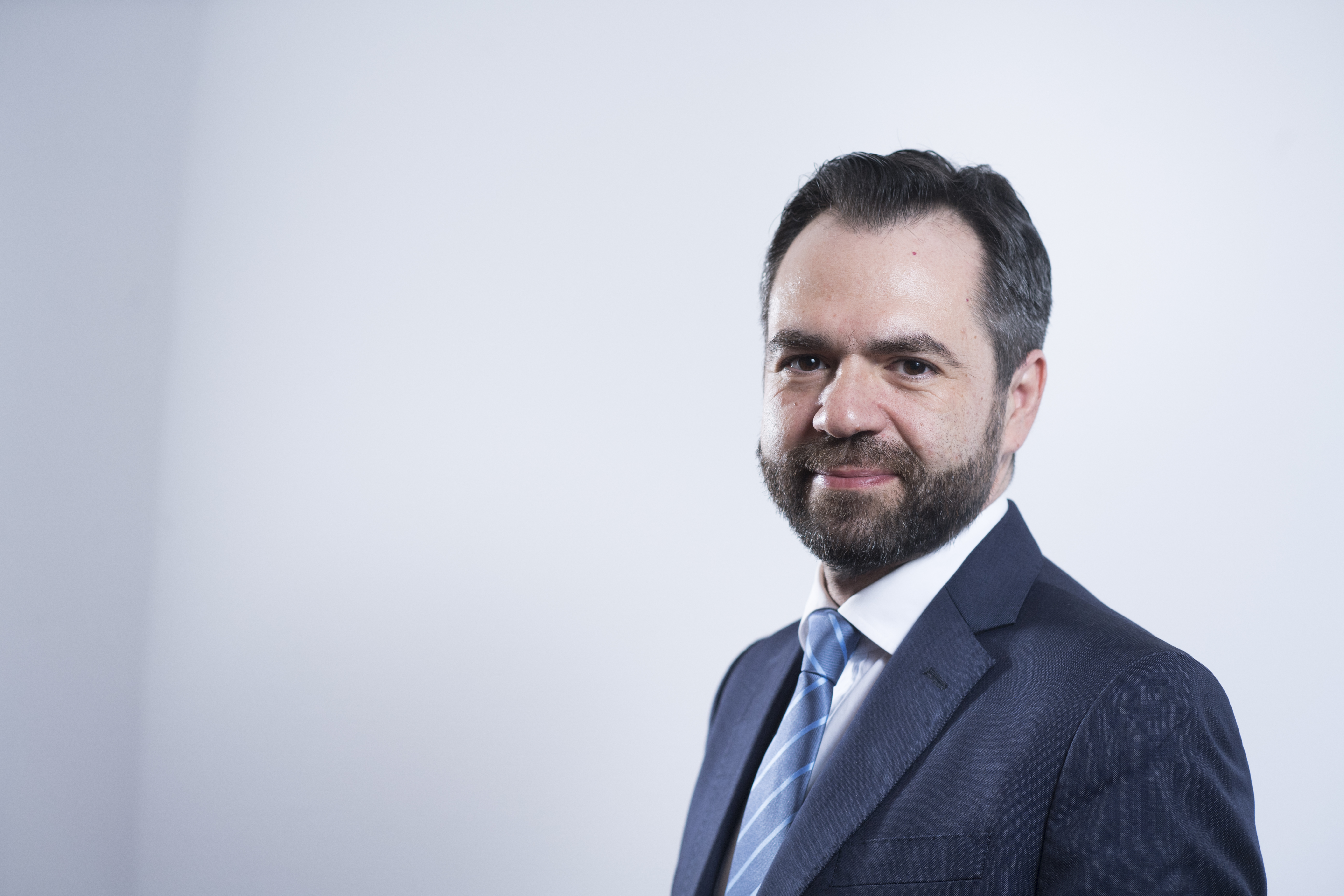
Anastasios Stathis
Oncology Institute of Southern Switzerland, Dept. of Medical Oncology, Bellinzona, CH
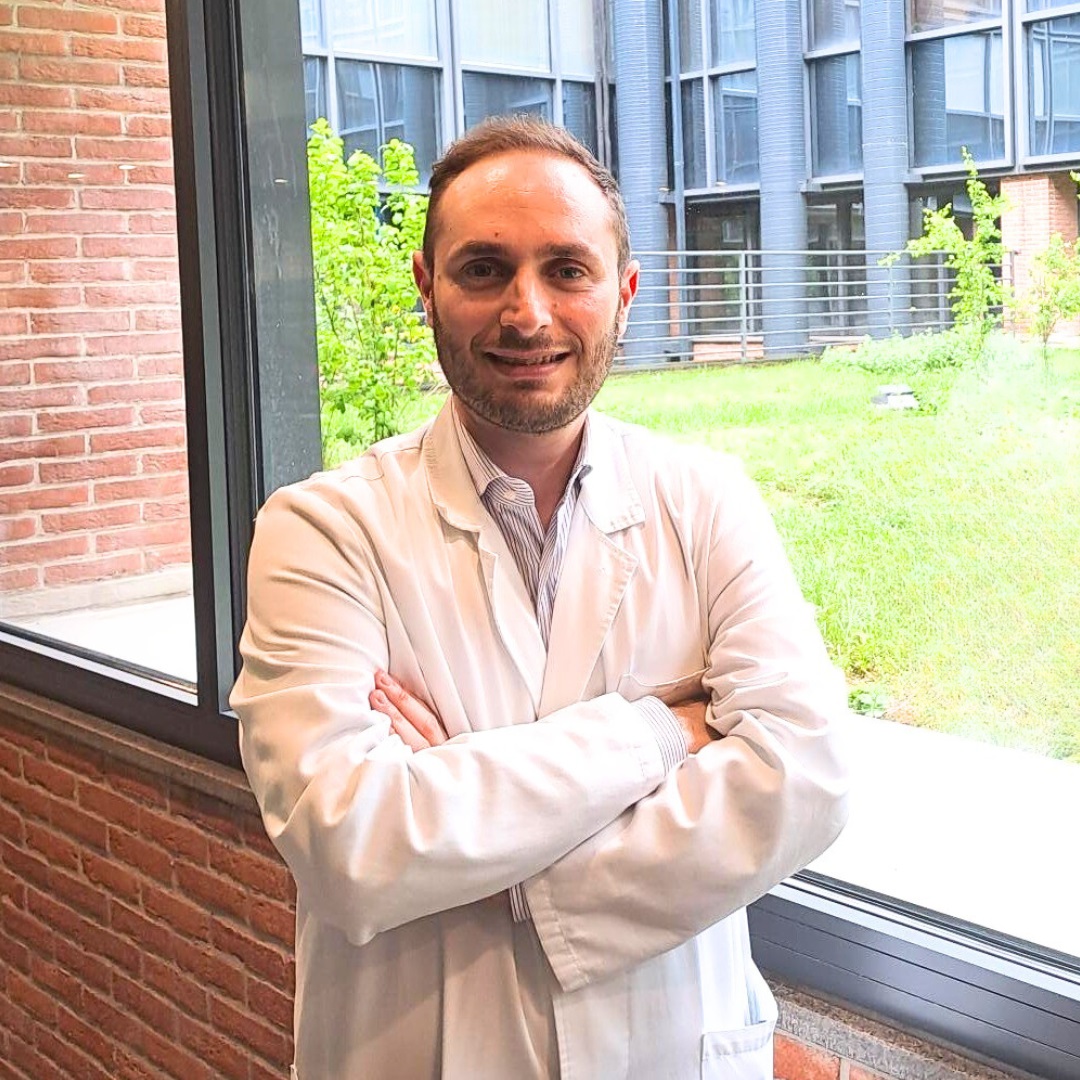
Antonio Marra
European Institute of Oncology IRCSS, Early Drug Development for Innovative Therapies, Milan, IT
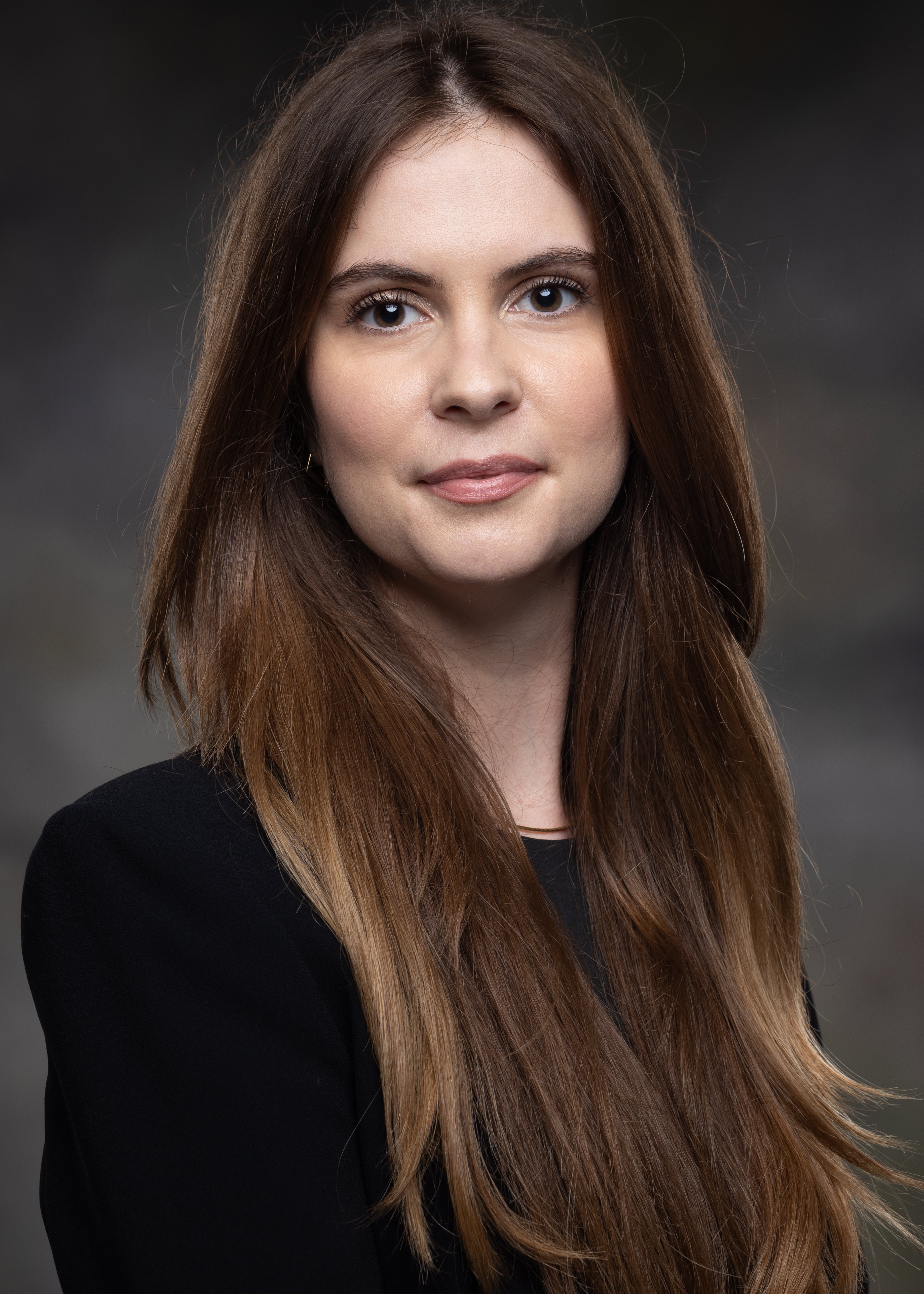
Bojana Stefanovska
Howard Hughes Medical Institute, Harris Lab, San Antonio, US
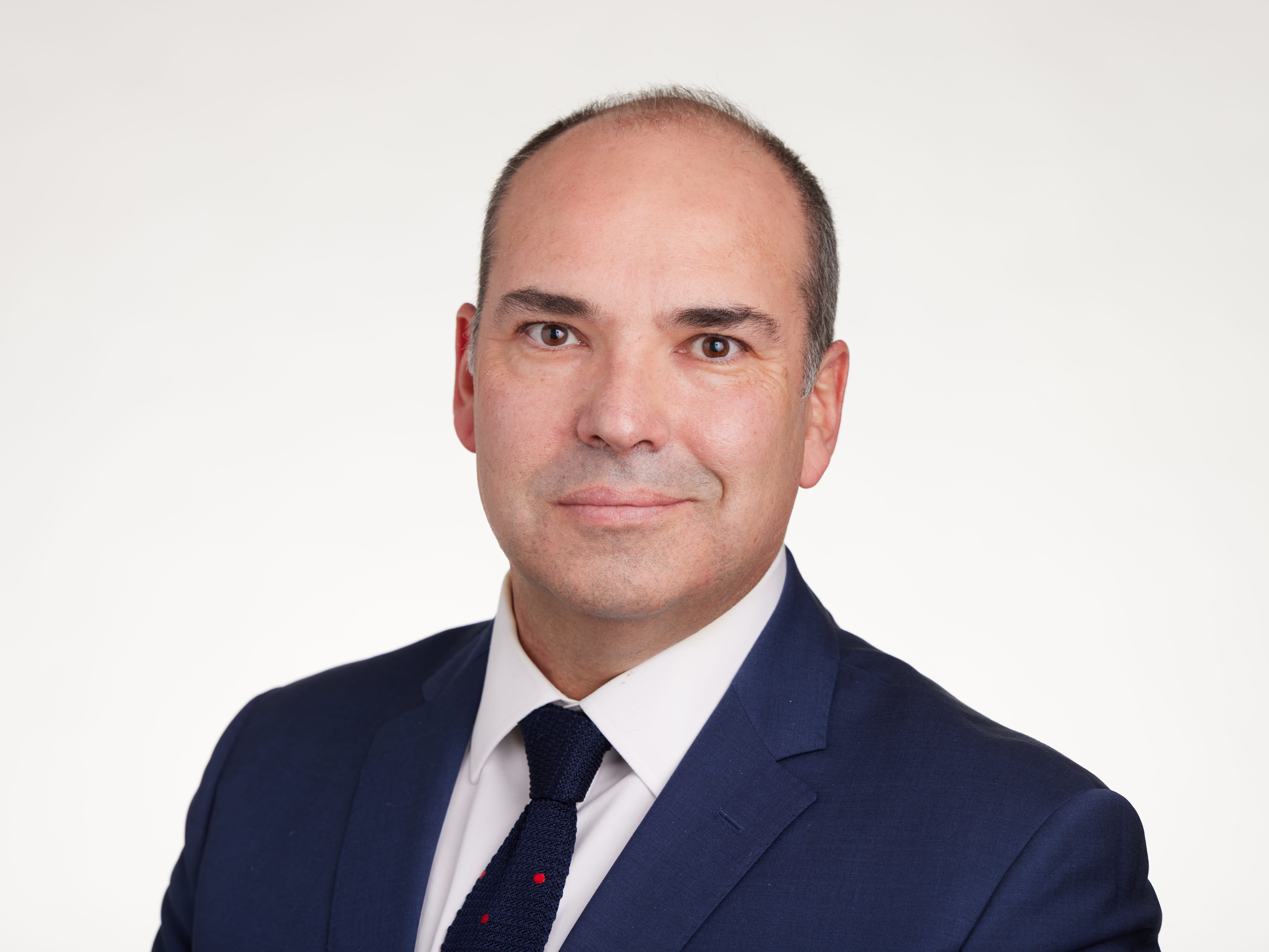
Christian Rolfo
The Arthur G. James Comprehensive Cancer Center, Division of Medical Oncology, Columbus, OH, US
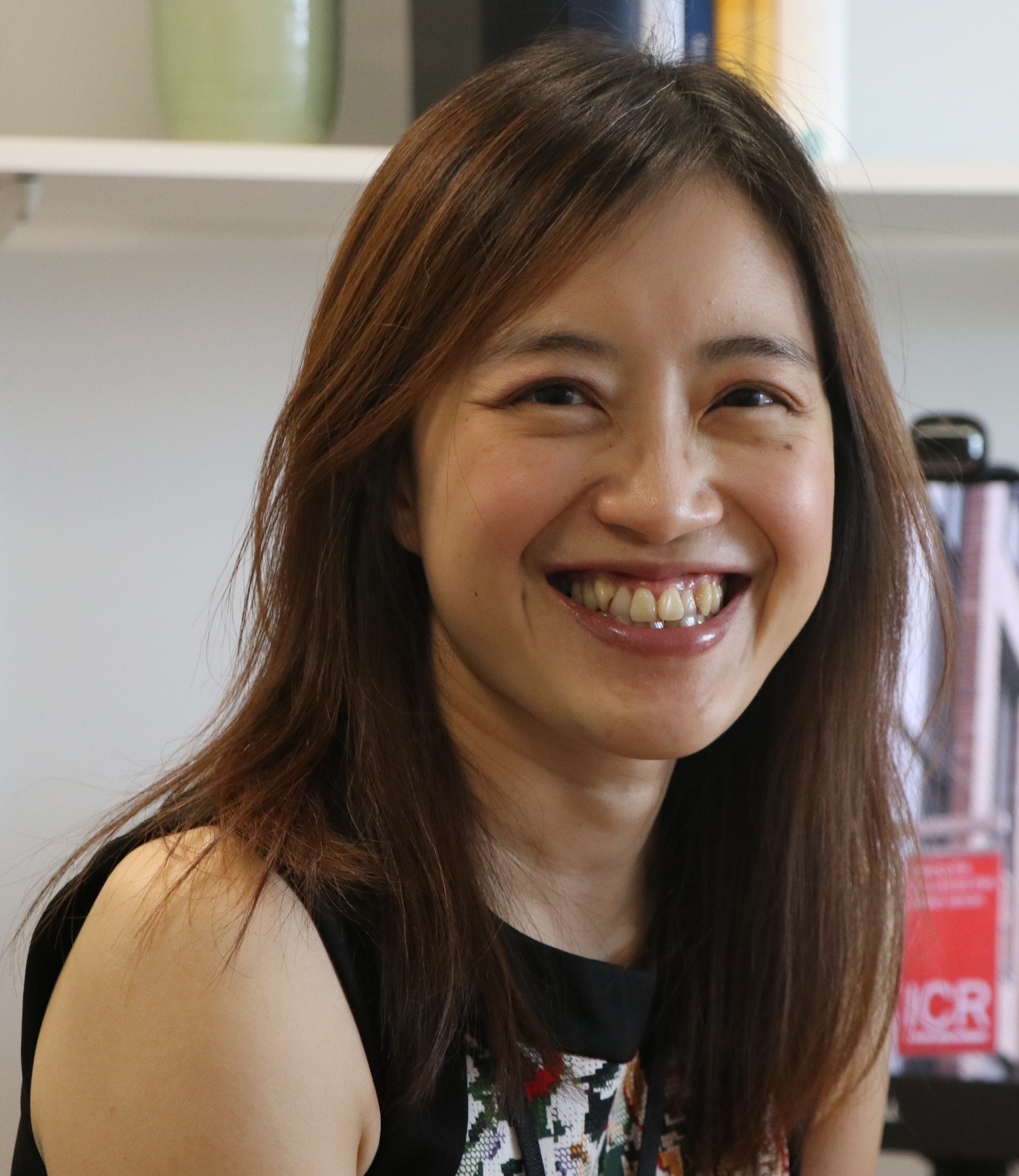
Christina Yap
The Institute of Cancer Research, Clinical Trials and Statistics Unit (ICR-CTSU), London, UK
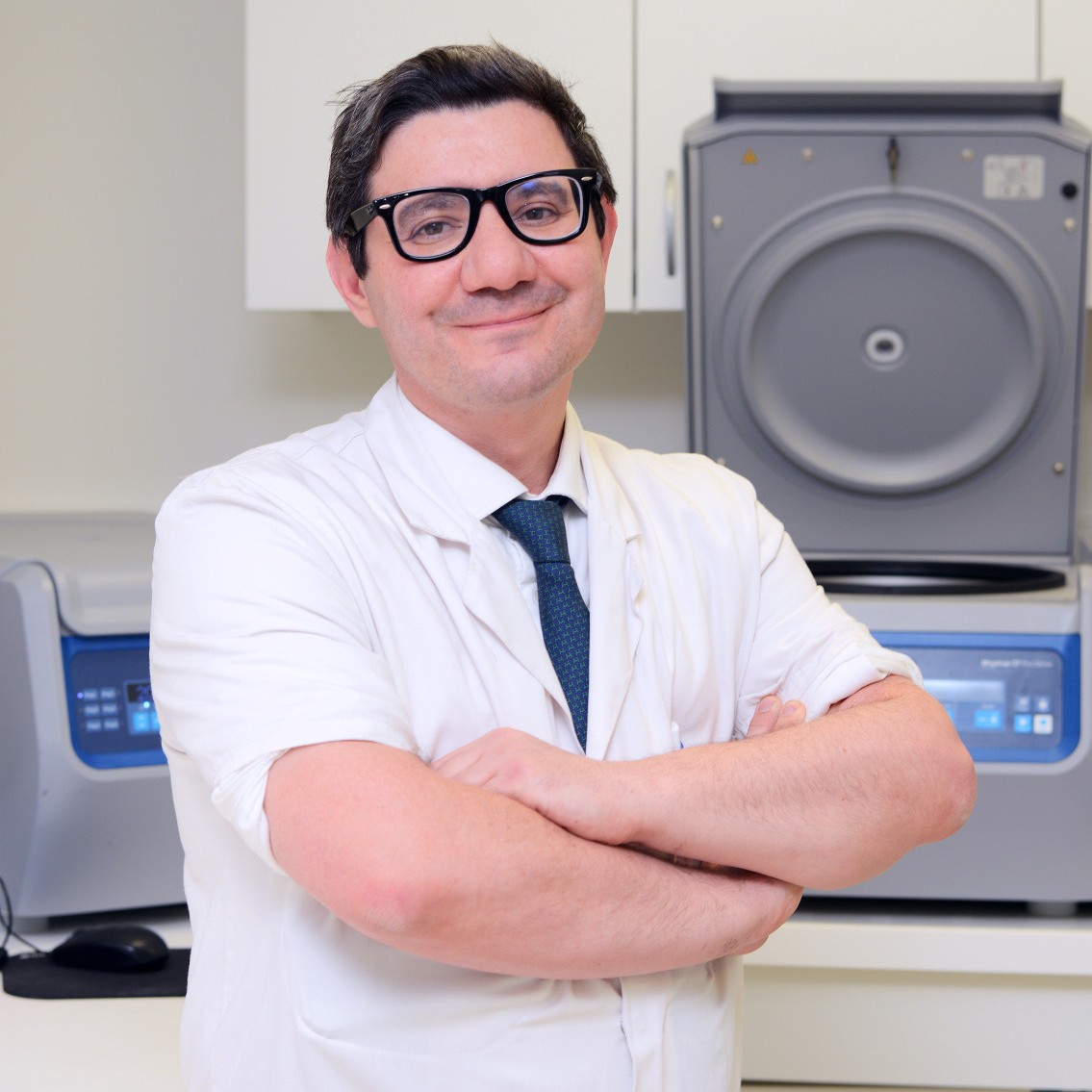
Christophe Massard
Gustave Roussy Institute, Department of Therapeutic Innovation and Early Stage Trials, Villejuif, FR
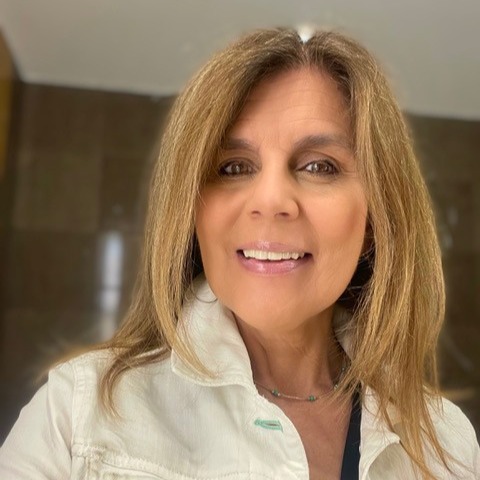
Eloisa Jantus Lewintre
Polytechnic University of Valencia, Department of Biotechnology, Valencia, ES
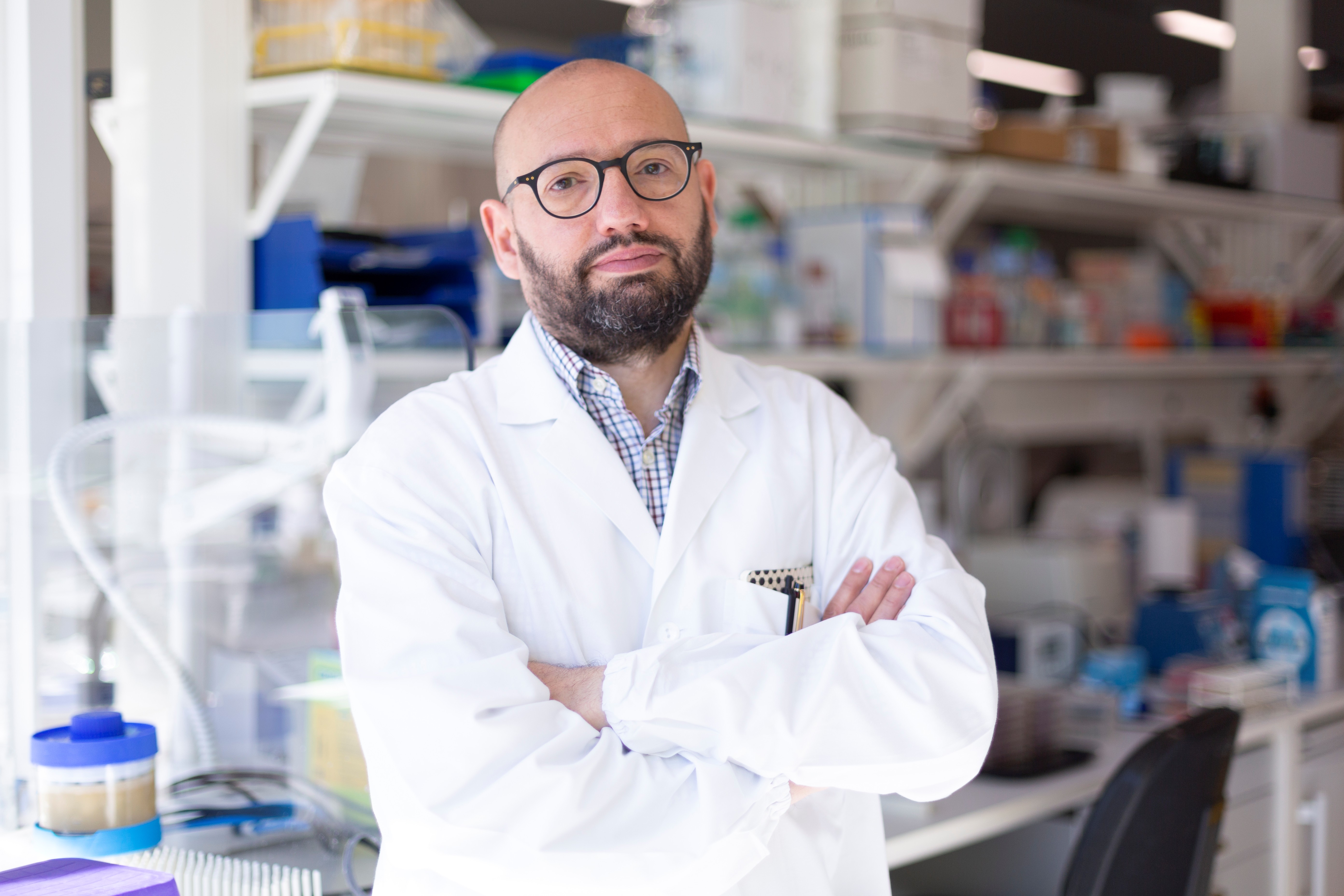
Francesco Bertoni
IOR Institute of Oncology Research, Lymphoma & Genomics Research Program, Bellinzona, CH
Marina Puchinskaya
"Kravira" Medical Centre, Surgical Department, Minsk, BY
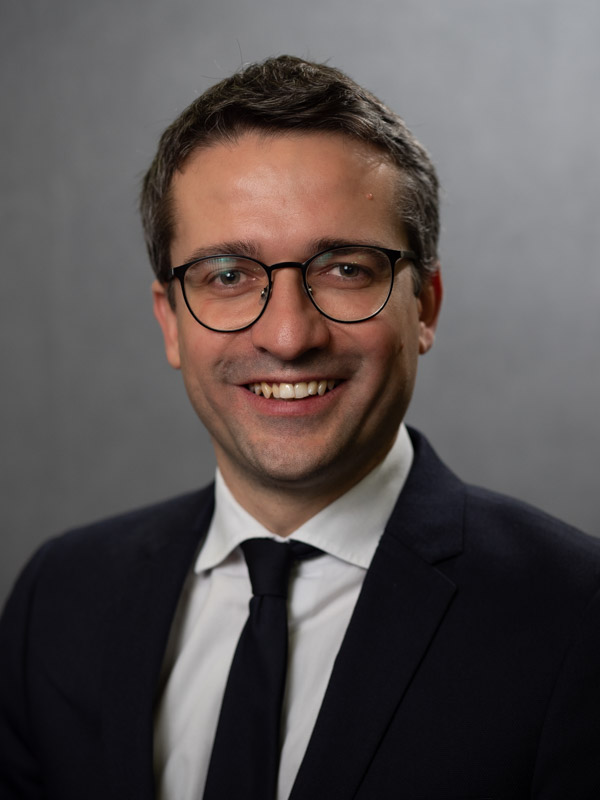
Matteo Lambertini
Policlinico San Martino Hospital – University of Genoa, Medical Oncology Department, U.O.C. Clinica di Oncologia Medica, Genoa, IT
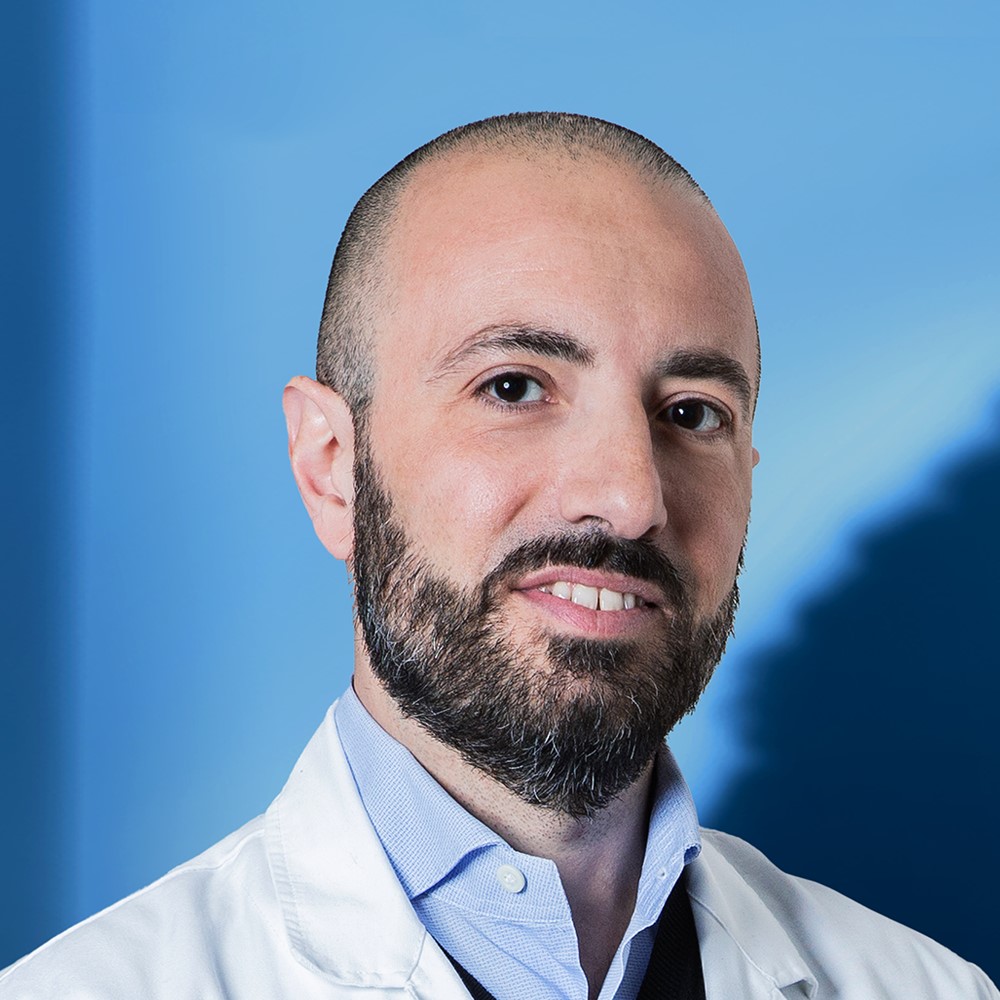
Nicola Fusco
IRCCS European Institute of Oncology (IEO), Division of Pathology, Milan, IT
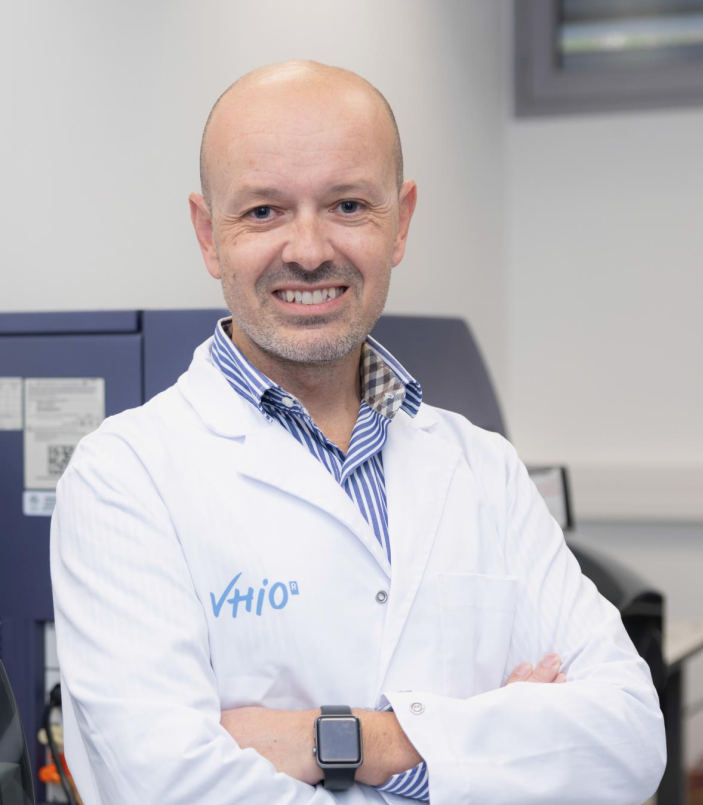
Paolo Nuciforo
Vall d'Hebron Institute of Oncology (VHIO), Molecular Oncology Group, Barcelona, ES
