From bench to bedside: bringing basic research and clinical oncology together
From bench to bedside: bringing basic research and clinical oncology together
Course Leadership
Chairs: Marina Puchinskaya (BY), Anastasios Stathis (CH/GR), Bojana Stefanovska (USA/MK), Lorenza Wyder (CH)Host Chair: Rafal Dziadziuszko (PL)
ESO Ambassador: Justyna Bochenek-Cibor (PL)
Course Overview
Advances in cancer research increasingly depend on effective collaboration between basic science and clinical oncology. Yet differences in language, methodology, and priorities often create gaps between the laboratory and the clinic. This course is designed to help bridge that gap by fostering a shared understanding of how discoveries move from experimental models to patient care and back again.The course is aimed at basic and translational researchers looking to better understand how research is designed, implemented, and evaluated in the clinical setting, as well as clinicians working in oncology who wish to deepen their knowledge of preclinical and translational research and its role in drug development and clinical trials.
Through a structured programme combining lectures, keynote sessions, hands on discussions, and laboratory visits, participants will explore key topics across the research continuum from target selection, experimental models, and biomarker development to early and late phase clinical trials, companion diagnostics, and statistical considerations.
By bringing together experts from basic science, pathology, molecular diagnostics, biostatistics, and clinical oncology, this course provides a unique platform for interdisciplinary dialogue, learning, and networking. Participants will gain valuable insights into how different disciplines contribute to successful cancer research and will be better equipped to collaborate across the bench to bedside spectrum
VENUE
The course will be held at Medical University of Gdansk, Poland
LANGUAGE
The course will be held in English. No translation will be provided.
REGISTRATION FEE
Selected participants will be required to confirm their attendance by paying a registration fee of EUR 225,00. The fee includes:
- Access to the full course and its educational resources
- Up to 3 nights’ accommodation at event hotel (arrival: Thursday 15 April – departure: Saturday 17 or Sunday 18 April 2027)
- Meals as outlined in the programme
ESO College members at the time of application and local participants who don’t require accommodation will receive a 50% discount on the registration fee.
The fee is a non-refundable contribution towards organisational costs and will not be reimbursed in the case of withdrawal or non-attendance, regardless of the reason.
ACCREDITATION
A certificate of attendance will be issued upon completion of:- 100% attendance at the in-person course
- Completion of the evaluation questionnaire and self-learning test
ESO COLLEGE MEMBERSHIP
Participation in this course grants eligibility to join the ESO College and allows existing members to earn 12 ESO College credits toward their progression.Visit ESO College dedicated section for more information on membership and benefits.
INSURANCE
Participants are advised to take out personal and travel insurance. ESO is not responsible for incidents during the event.
CONTACTS
Corinne Hall – chall@eso.net Dolores Knupfer – dknupfer@eso.net
Arrivals & Registration
Welcome and Introduction
ESO, the College and what ESO has done for me
Session 1: Targets and models
Target selection and validation, drug types and characteristics
Udai Banerji (UK)Cellular models in cancer: how to choose them, 2D vs 3D, genetic manipulation, functional assays
Francesco Bertoni (CH)Coffee break
Session 2: Biomarkers, molecular and histopathology
Genomic Characterization, NGS and Advanced Molecular Technologies
Antonio Marra (IT)Pathology in oncology: IHC, AI-assisted diagnostics and spatial proteomics
Paolo Nuciforo (ES)Lunch
Liquid vs. tissue biopsies: techniques, challenges and opportunities
Keynote 1: From bench to bedside: The success story of Parp Inhibitors
Coffee break
Lab visits (rotation)
Group dinner
Mouse models for oncology: from xenografts and synegeic models to GEMMs to fully humanized mice
Session 3: From lab to patients: Biomarkers and Phase I trials
Different types and aspects of biomarkers in clinical trials
Christophe Le Tourneau (FR)Phase I trials
Anastasios Stathis (CH)Coffee break
Session 4: Later phases trials: Phase II-III trials and statistics
Phase II and III trials
Massimo Di Maio (IT)Statistical considerations in clinical trials
Christina Yap (UK)Session 5: Hands-on informaton on writing and runing a clinical trial
How to write and plan general concept of a trial protocol
Saskia Litière (BE)How to run a drug development research group
Clinical Research in Poland
Rafal Dziadziuszko (PL)Overview of EACR
Leila Akkari (NL)Roundtable: Dos and Don'ts in clinical trials
Leila Akkari (NL) Rafal Dziadziuszko (PL) Saskia Litière (BE) Anastasios Stathis (CH)Lunch
Pre-clinical research proposals
Clinical research proposals
Coffee break
Keynote lecture 2: The importance and success of companion diagnostics
Closing remarks
Faculty Dinner (participants free evening or departures)
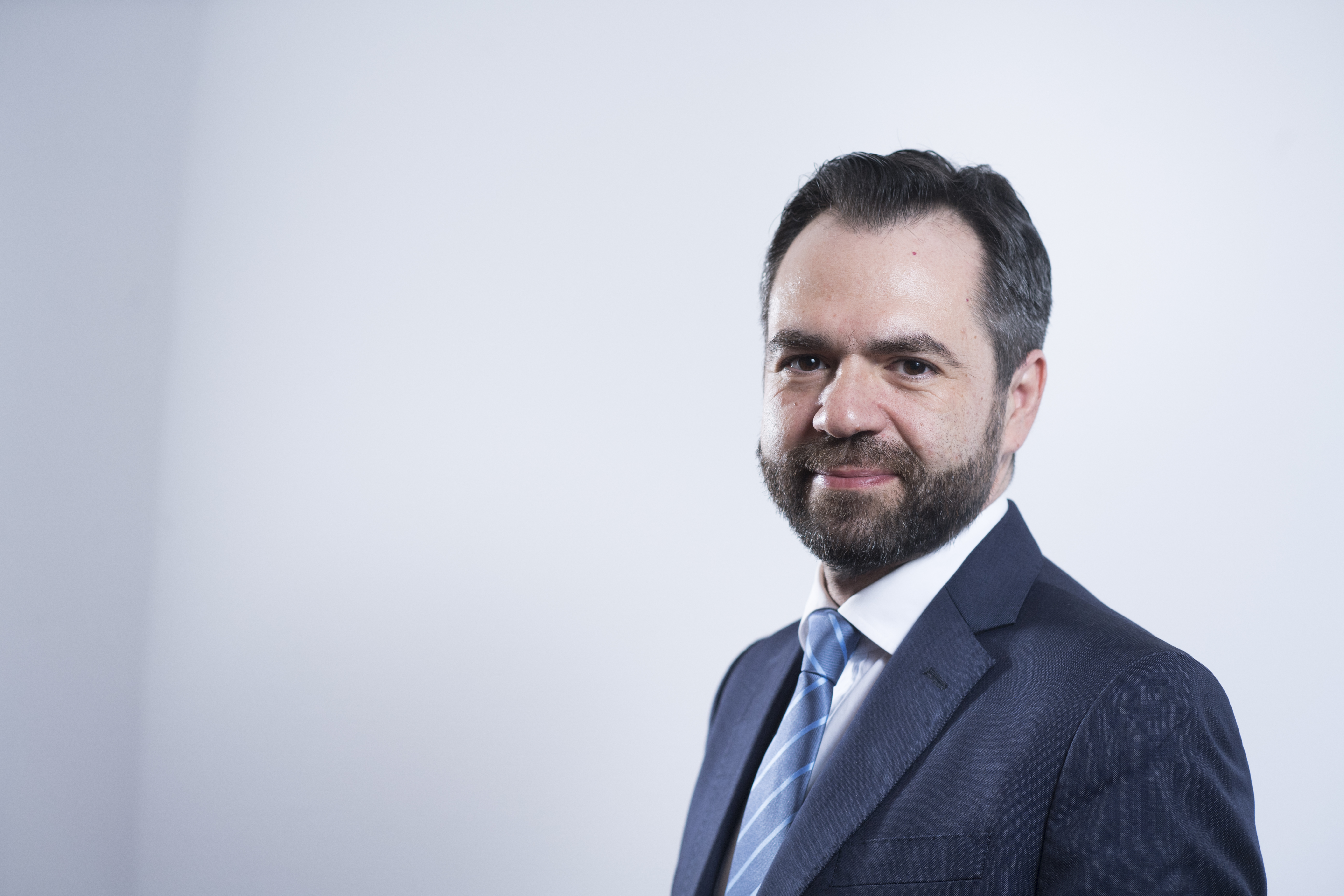
Anastasios Stathis
Oncology Institute Of Southern Switzerland, Eoc, Clinic Of Hematology, Bellinzona, CH
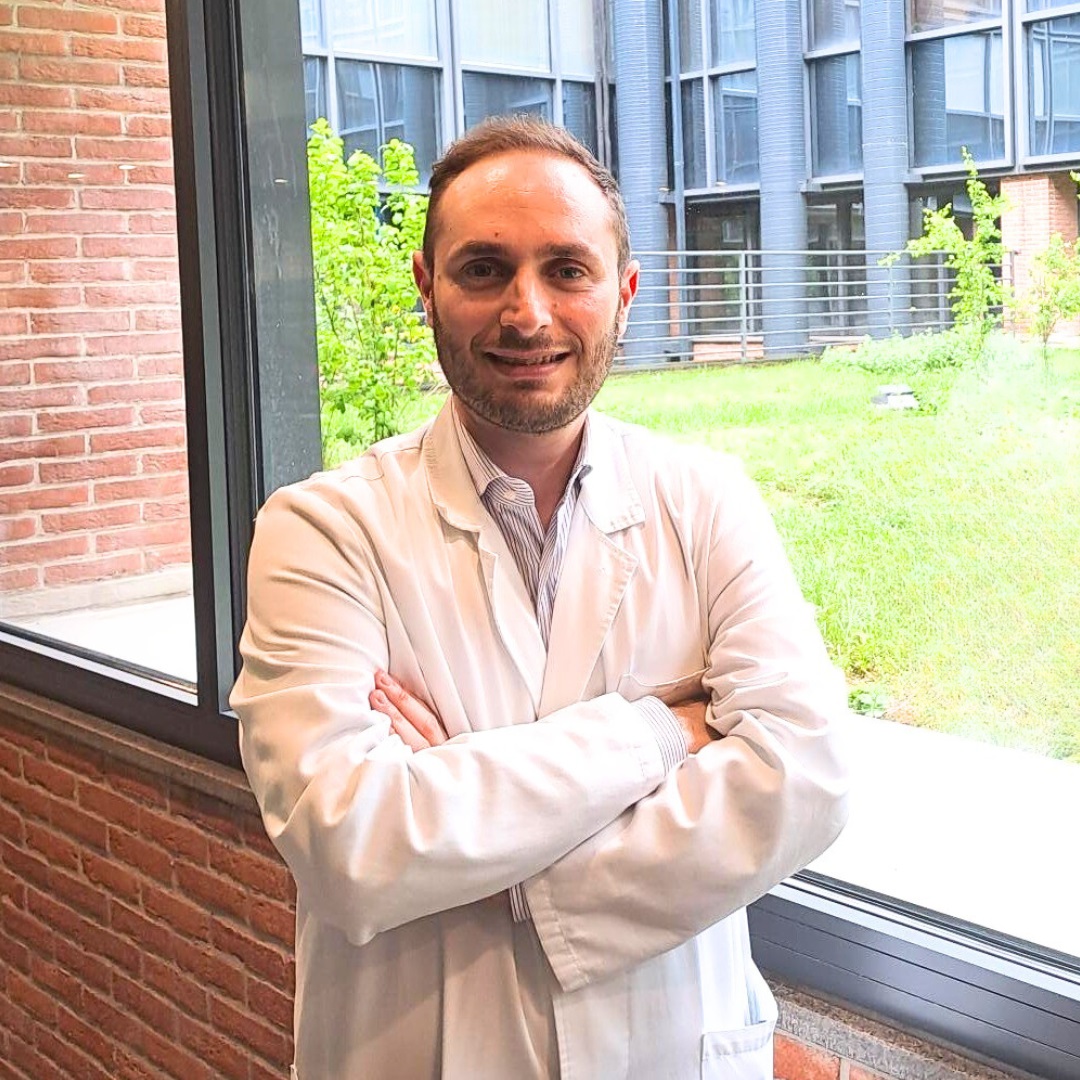
Antonio Marra
European Institute of Oncology IRCSS, Early Drug Development for Innovative Therapies, Milan, IT
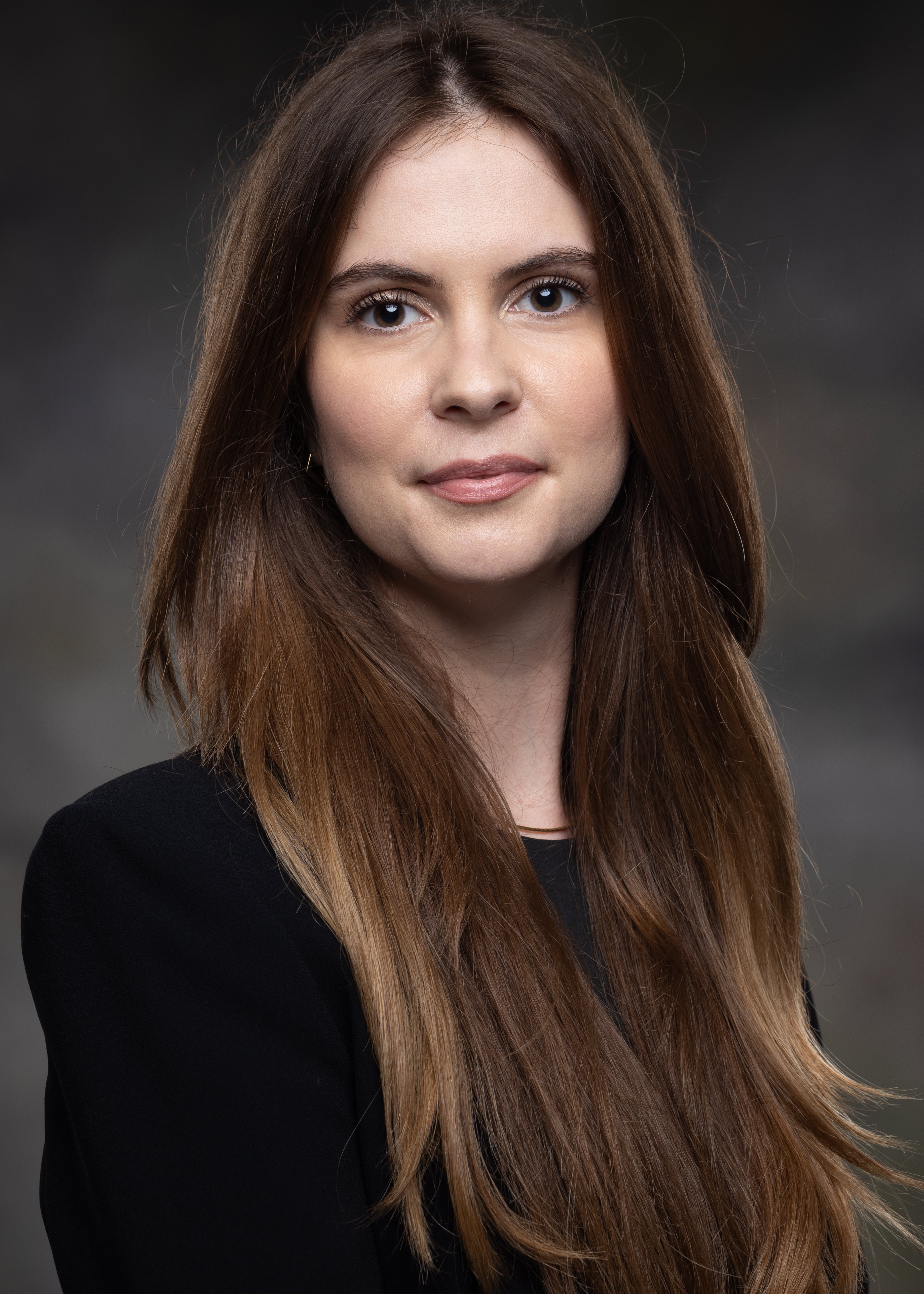
Bojana Stefanovska
Howard Hughes Medical Institute, University of Texas Health San Antonio, San Antonio, Texas, USA
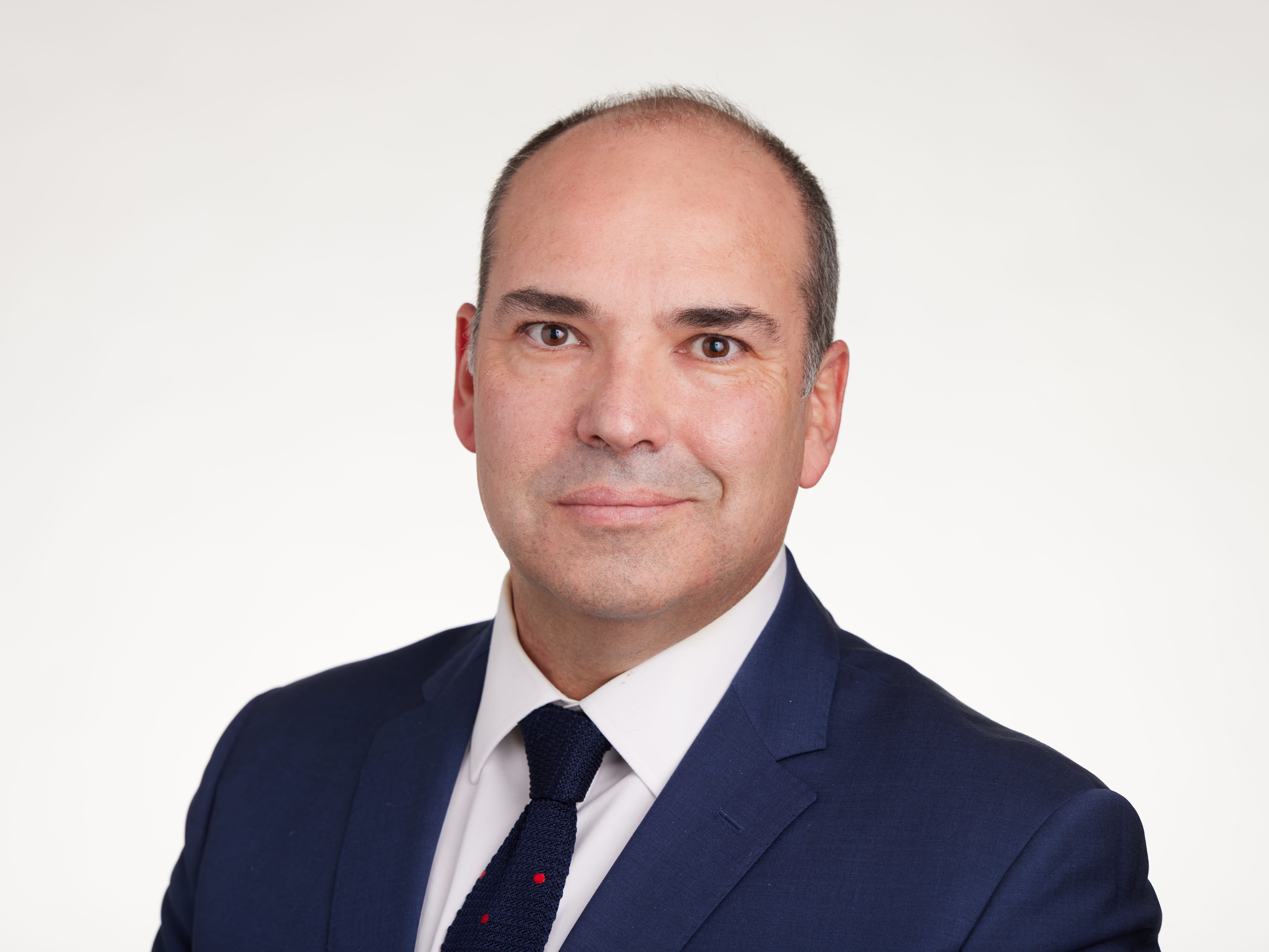
Christian Rolfo
The Arthur G. James Comprehensive Cancer Center, Division of Medical Oncology, Columbus, OH, US
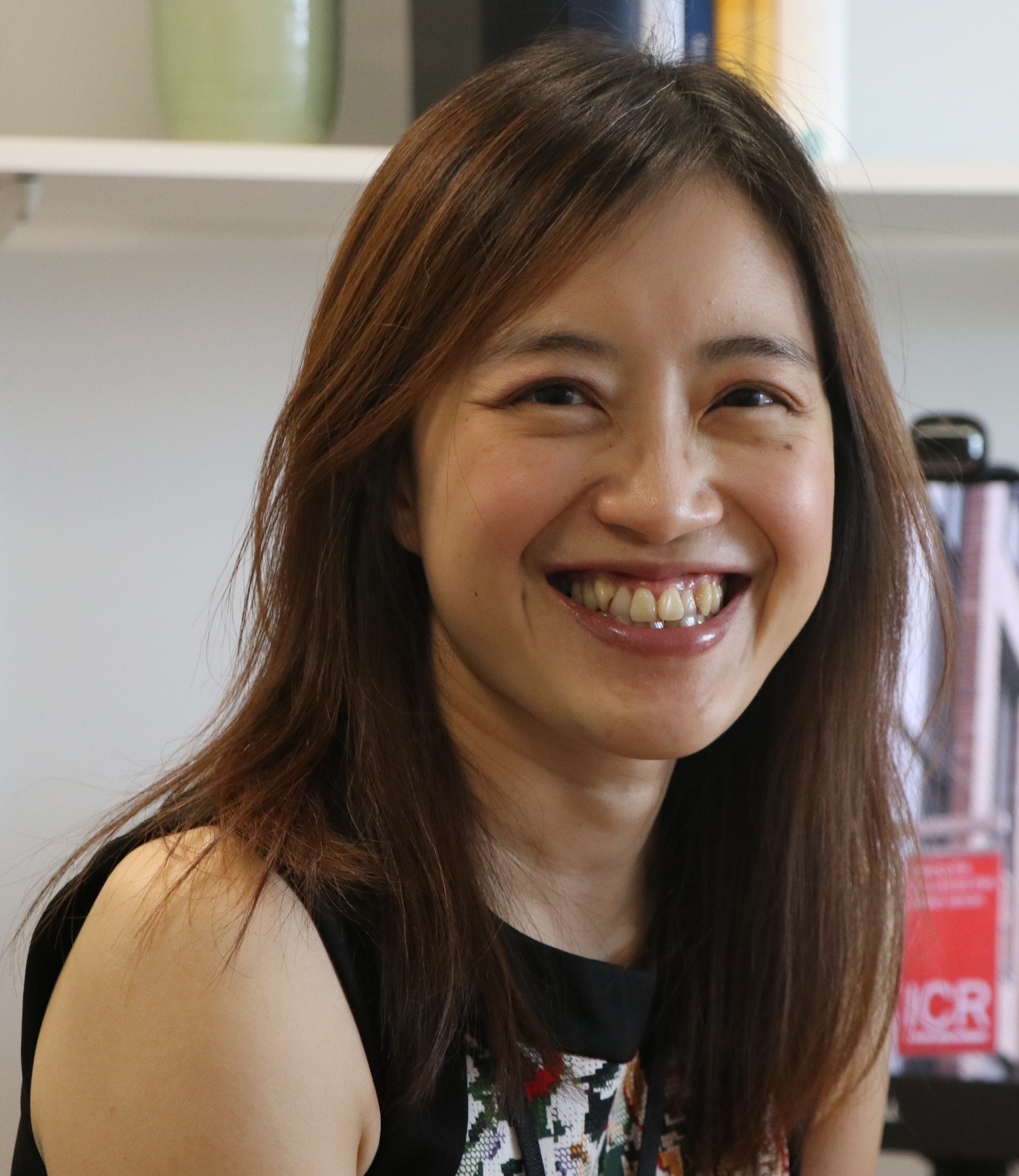
Christina Yap
The Institute of Cancer Research, Clinical Trials and Statistics Unit (ICR-CTSU), London, UK
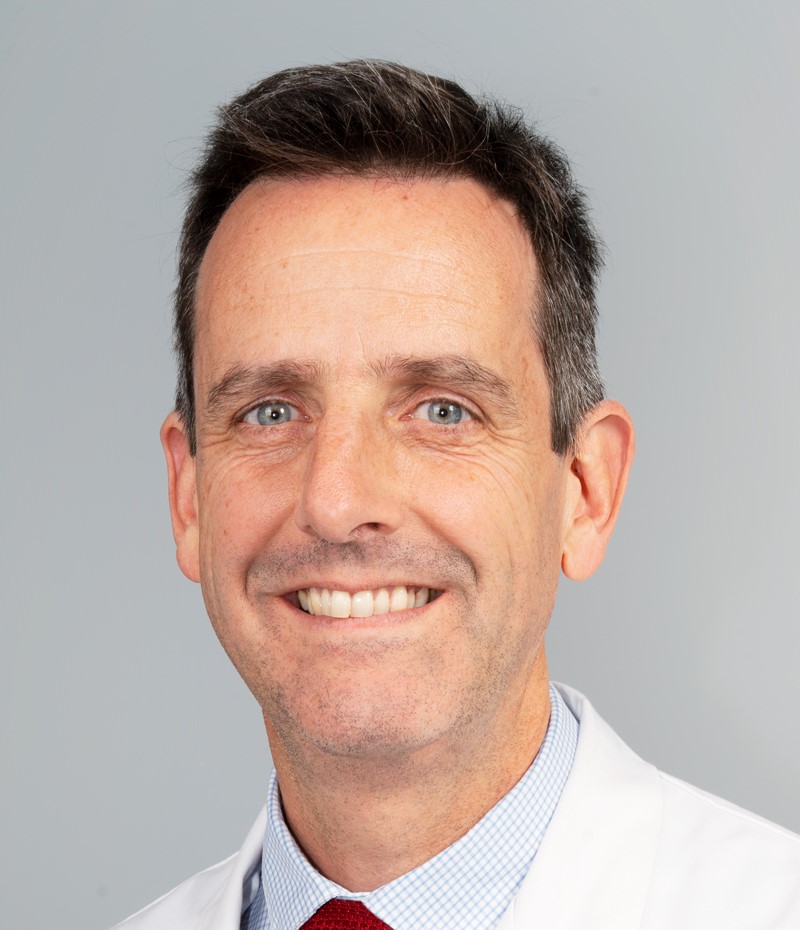
Christophe Le Tourneau
Gustave Roussy, Early phase clinical trials & Head and Neck oncology, Villejuif, FR
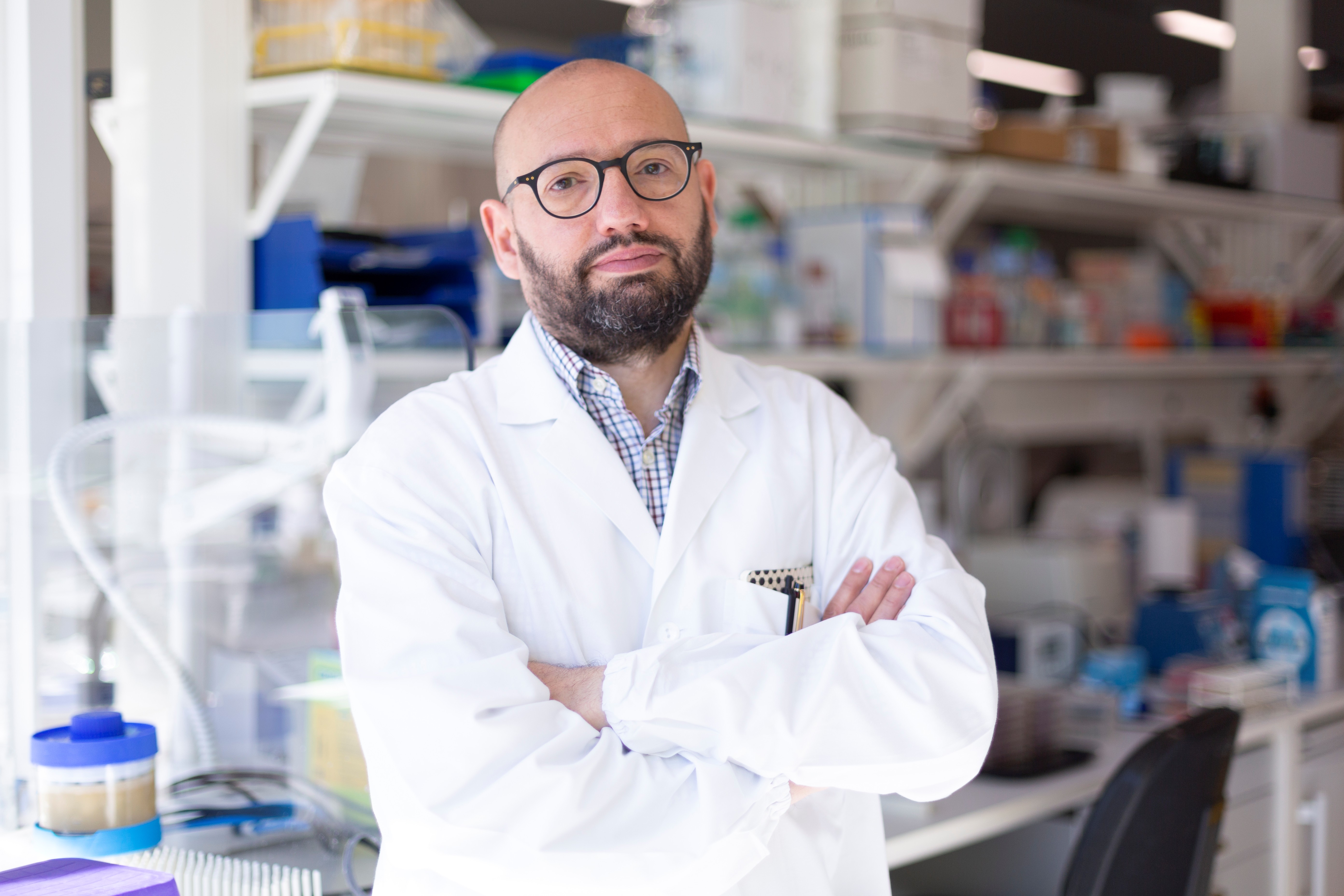
Francesco Bertoni
Ior Institute Of Oncology Research, Lymphoma & Genomics Research Program, Bellinzona, CH
Jan Trøst Jørgensen
Dx-Rx Institute, Fredensborg, DK
Justyna Bochenek-cibor
St' Lukas Hospital, Radiation Therapy Dept., Tarnów, PL
Leila Akkari
Netherlands Cancer Institute (NKI), Oncode Institute., Division of Tumor Biology & Immunology, Amsterdam, NL
Lorenza Wyder
Oncology Drug Discovery consultant, Zurich, CH
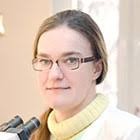
Marina Puchinskaya
"kravira" Medical Centre, Surgical Dept., Minsk, BY
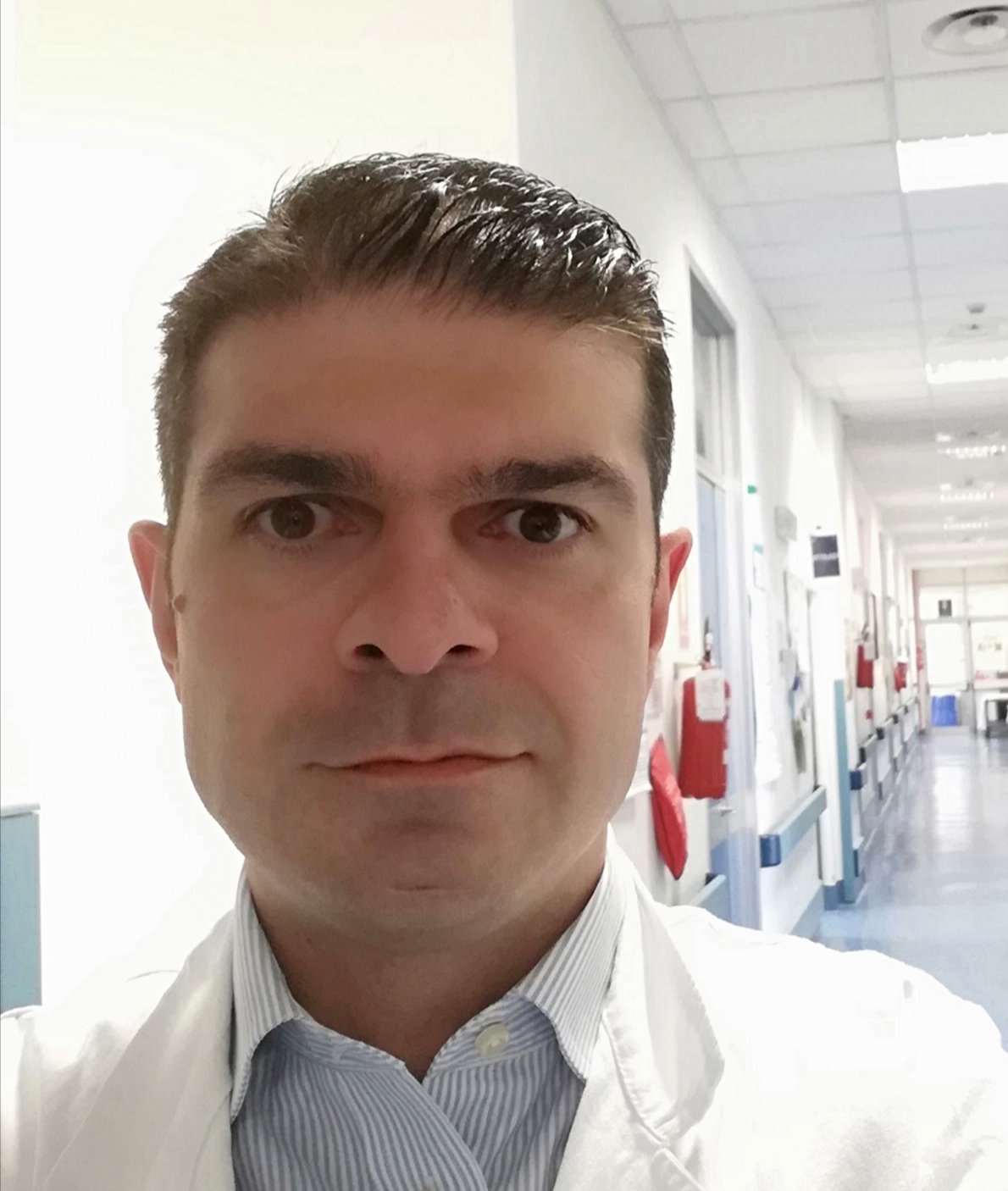
Massimo Di Maio
Università degli Studi di Torino, A.O.U. Città della Salute e della Scienza di Torino, Director, SC Oncologia Medica 1U, Torino, IT
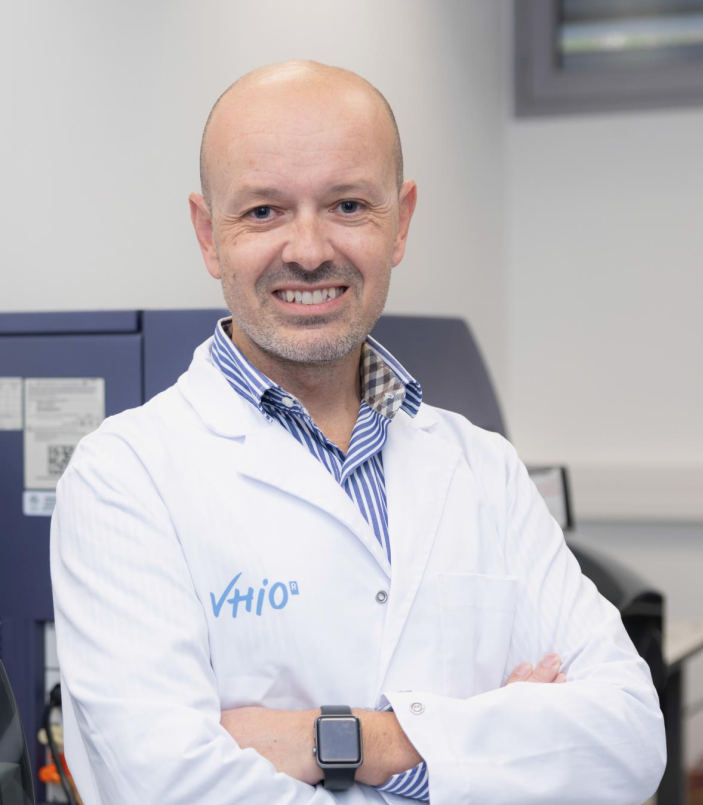
Paolo Nuciforo
Vall d'Hebron Institute of Oncology (VHIO), Molecular Oncology Group, Barcelona, ES
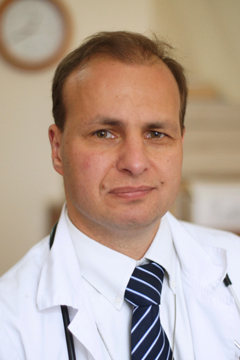
Rafal Dziadziuszko
Medical University of Gdansk, Oncology and Radiotherapy Dpt., Gdansk, PL
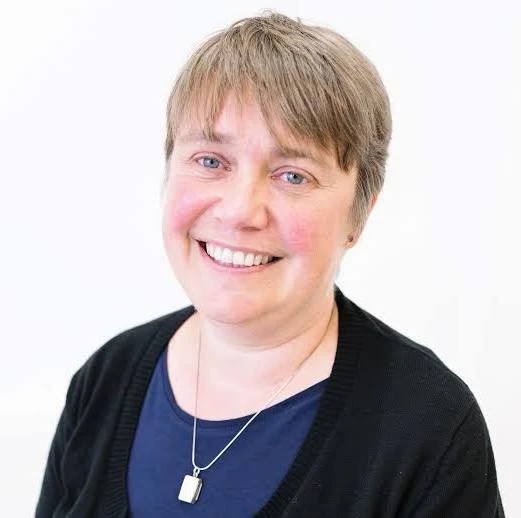
Ruth Plummer
Newcastle University Centre for Cancer, Translational and Clinical Research Institute, Newcastle upon Tyne, UK
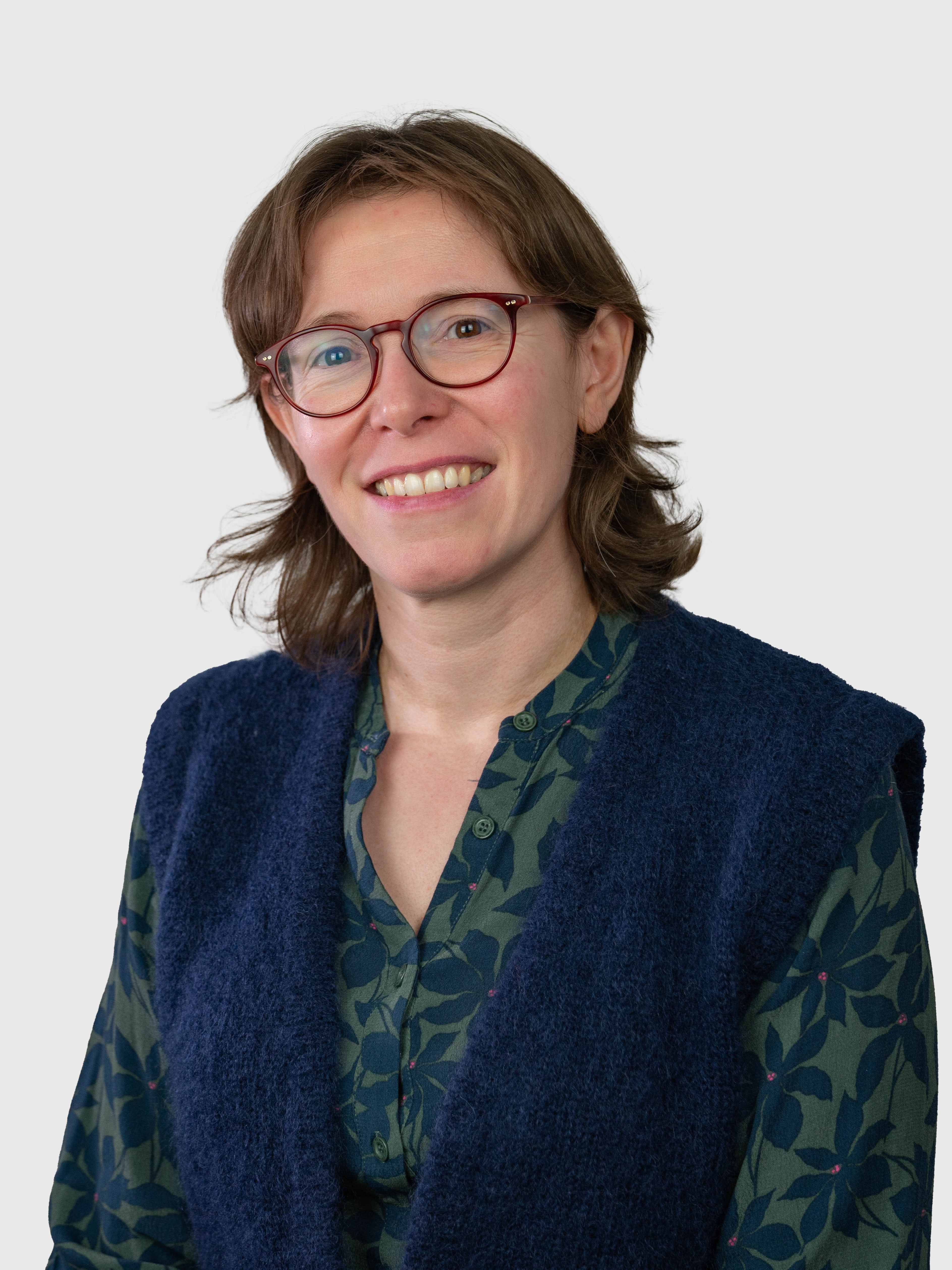
Saskia Litière
European Organisation for Research and Treatment, Headquarters, Brussels, BE

Udai Banerji
The Institute of Cancer Research, Drug Development Unit, Sutton, UK
PARTICIPATION
The course is limited to 50 participants (25 clinicians and 25 researchers), selected through a competitive application.Ideal candidate:
- Researchers working in basic research
- Researchers working in translational research
- Clinicians working in oncology with an interest in preclinical, translational and clinical research.
- At least 2 years of experience in oncology (research or clinical)
- Fluency in English
- Reside within ESO’s geographical reach: Europe, Mediterranean countries, or Latin America
HOW TO APPLY
If interested, please apply online.The application process involves completing an online questionnaire, where you will provide details about:
- Your work experience and training
- Your research experience and publications
- Your motivation and personal commitment to participating in this activity
- Recommendation letter: A letter from your head of department or mentor, written on official hospital letterhead and signed.
- Curriculum Vitae (CV).
- Clinical and Pre-Clinical Research Proposal/Project (optional)
Applicants are invited to submit a proposal or project of general interest (template above) outlining either a research project they are currently involved in or a research idea that may be exploratory or theoretical in nature, aimed at stimulating discussion in light of modern research strategies and future perspectives. Proposals do not need to be immediately feasible or ready for practical implementation.
Selected participants will have the opportunity to present and discuss their research project in the format of a slide presentation (max. 5 -10 min) to the participants and faculty members during the course (as mentioned in the programme). Please include up to 3 precise questions you would like to discuss with the group.
SELECTION PROCESS
Applications are evaluated through a two-step process:
Automated Scoring: Some responses are assessed using a predefined scoring system to ensure fairness and consistency. Points are assigned based on your answers.
Committee Evaluation: Other sections, including your qualitative responses, are reviewed and scored by our selection committee.
This type of evaluation ensures a transparent and unbiased selection of top candidates for participation in this activity.
Before you start completing the online application form, please be sure you have all the requested files (CV, Recommendation letter, and Research proposal) ready to be uploaded to the system. Online applications will not be considered unless all the files are uploaded.
Selected participants will be notified by end of January 2027
You will be asked to accept ESO’s Data Protection Statement during the application process.
